The best brand campaigns of 2026 (so far)
➡ Get our round-up of ideas and insights in your inbox every Friday – SUBSCRIBE
The best brand campaigns of 2026 (so far) share an unusual quality for an industry built on ads: a lot of them aren’t really ‘ads’.
They’re products, innovations, events and installations — things you could pick up, walk into or photograph, rather than things you endured or skipped.
The work that broke through in the first six months left the glossy films and shiny shoots to everyone else.
What follows is less a comprehensive list of favourites (though I’d be surprised not to see some of this lot on Cannes shortlists) but more a read on the themes that have defined the first half of the year.
1. Iconomics
In cash-strapped times iconomics makes sense… aka putting the brand assets you already own to work with creativity, instead of paying to build new ones.
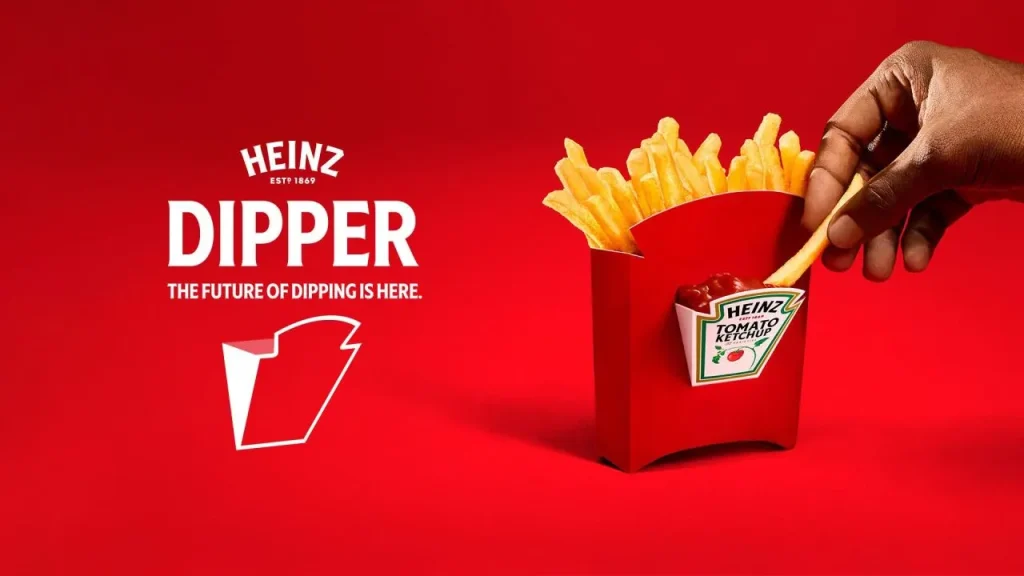
Heinz redesigned the fry box for the first time in 75 years so it actually holds ketchup.
Coca-Cola turned its contour bottle into a chopstick.
BIC’s Cristal pen became a designer lamp at Maison Objet.
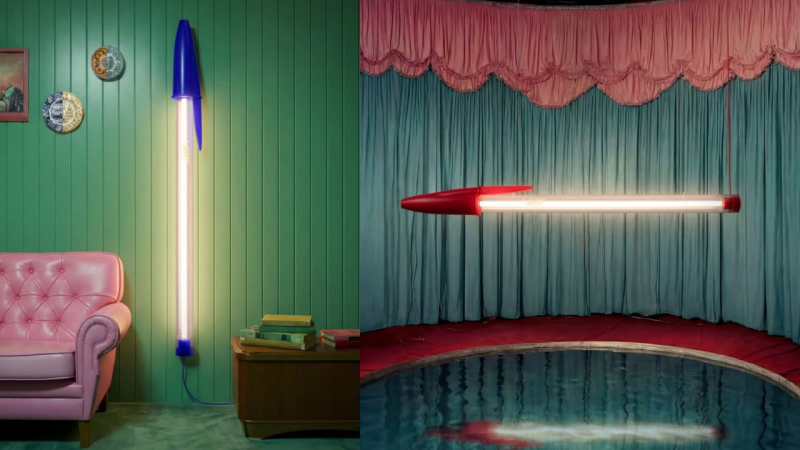
Coke’s contour bottle and BIC’s hexagonal Cristal barrel — icons people recognise without a logo or a line attached.
And it pays out because the brand kept their assets consistent long enough for it to become shorthand, which is the clear case against redesigning everything every three years.
Design does the heavy lifting, and the brands with genuinely distinctive assets have a head start.
2. PR-oducts
Plenty of brands went the other way and simply invented attention-worthy products.
KitKat made a wrapper that blocks phone signals, turning “have a break” into a functional object.
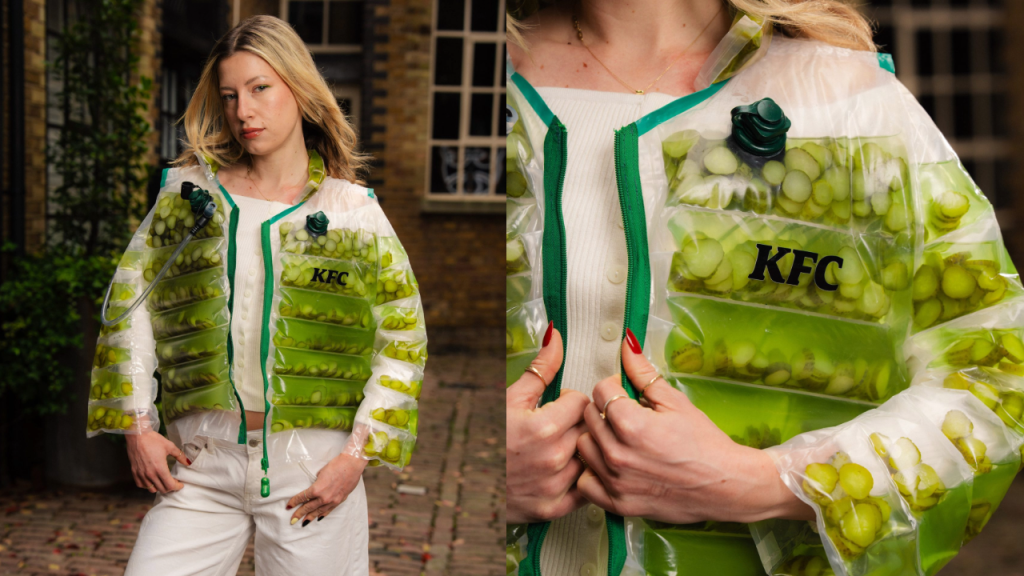
KFC stuffed a puffer jacket with real pickle juice and gherkins for its ‘Pickle Mania’ menu.
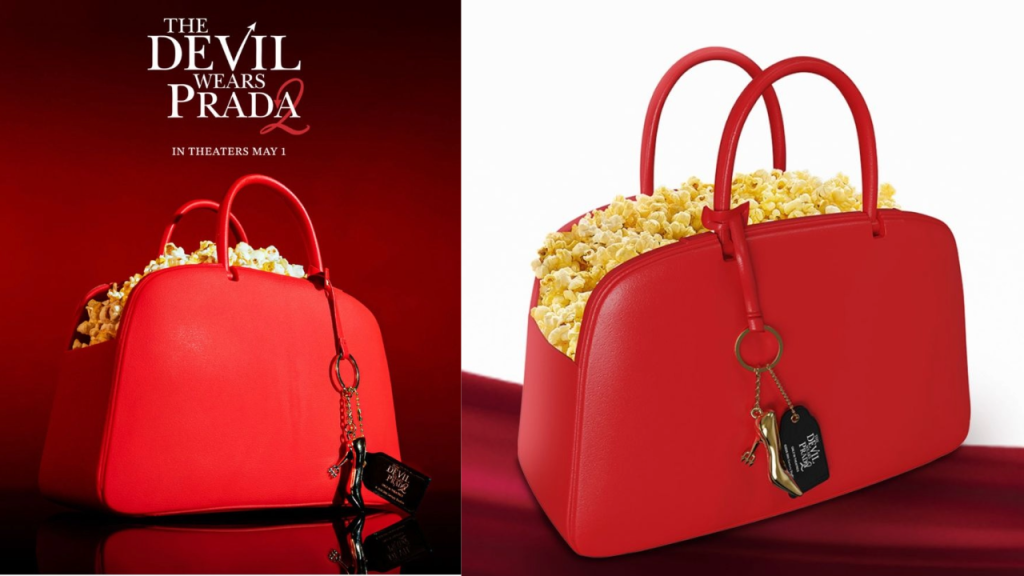
The Devil Wears Prada dispensed cinema popcorn in a handbag-shaped bucket
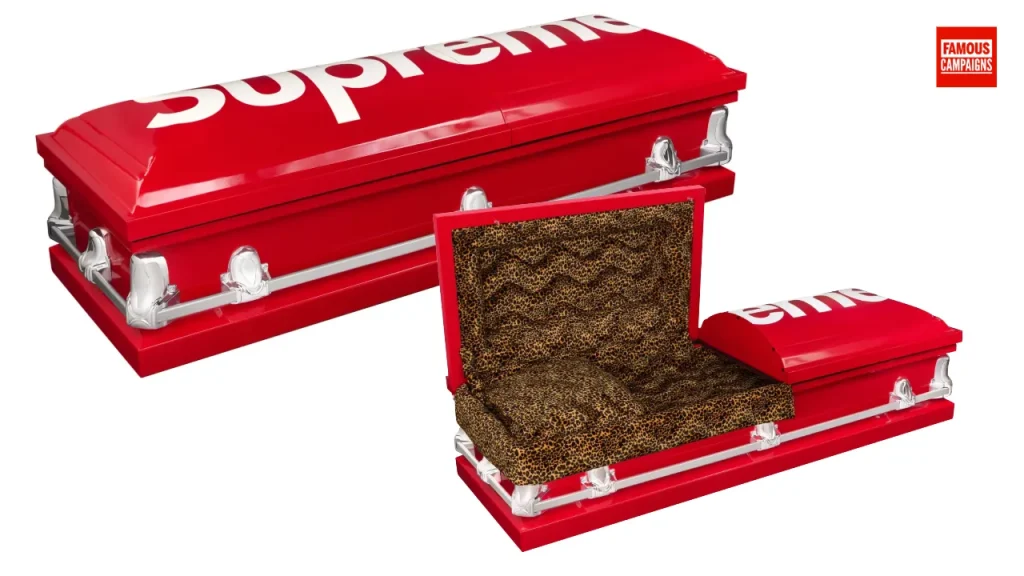
…and Supreme — never knowingly understated — put out a branded coffin alongside an ATM, a boxing ring and a Dualit toaster.
De’Longhi turned its coffee machines into hand-built miniature cafés, designed by by Simon Weisse, the model maker known for his work on The Grand Budapest Hotel and Asteroid City.
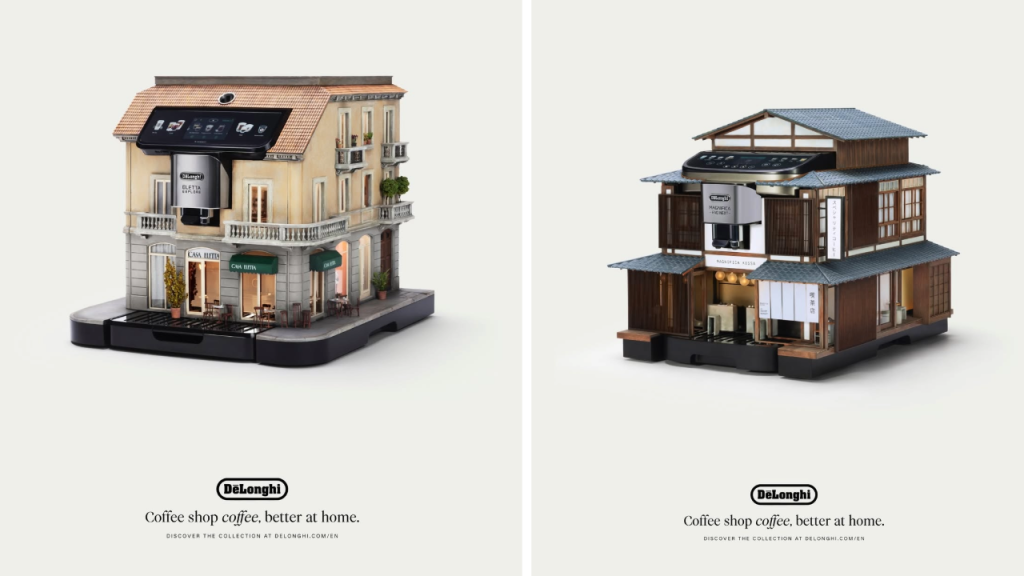
A novel product does things an ad can’t.
They’re buyable, photographable, reviewable and postable to a journalist’s desk, earning coverage (and sometimes revenue) – though tbf most ‘limited editions’ from brands tend to appear as prizes on social.
The weak version is merch for merch’s sake — a drop with a logo on it and no idea underneath.
Worth watching the bar here, because once every brand can ship a daft limited-edition, the daftness alone stops being the story.
3. Debranding
The flip side of inventing more stuff was showing less of it.
The most confident branding of H1 worked by subtraction — trusting that a fragment of the identity would do the job.
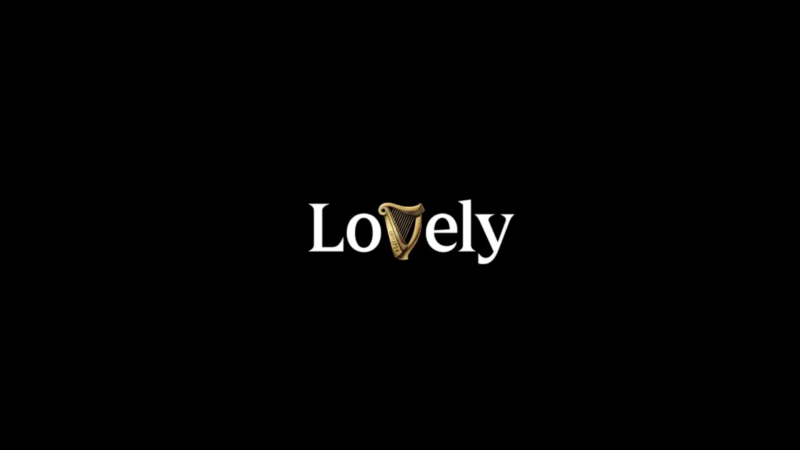
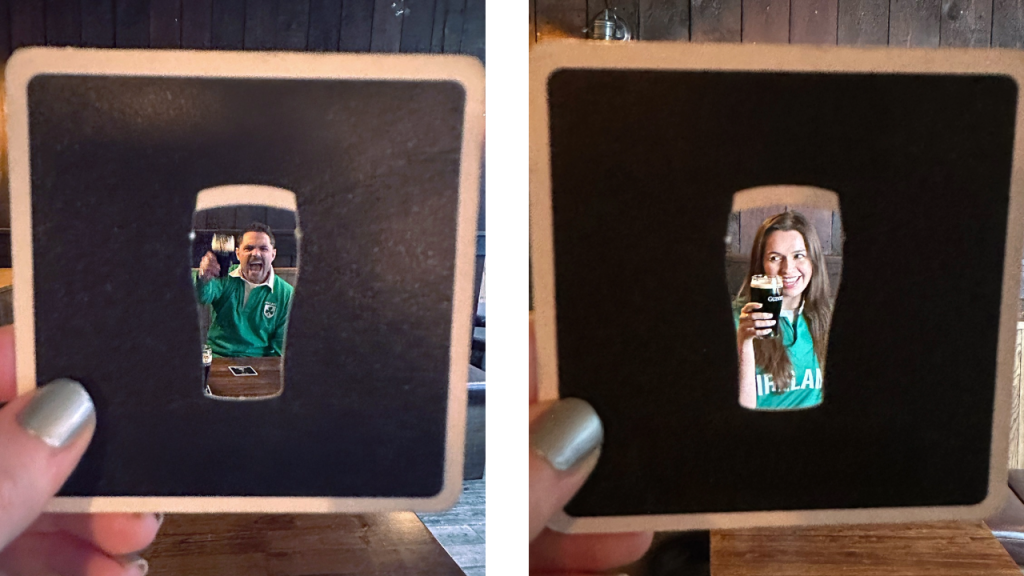
Guinness reduced itself to a pint-shaped silhouette cut into a beer mat and let Six Nations fans fill in the rest.
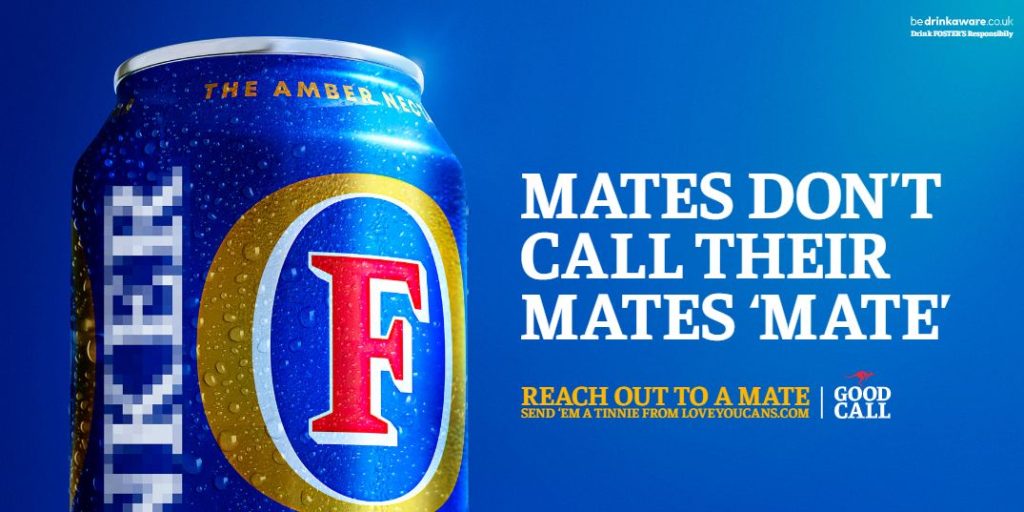
Foster’s swapped its own wordmark for swearwords.
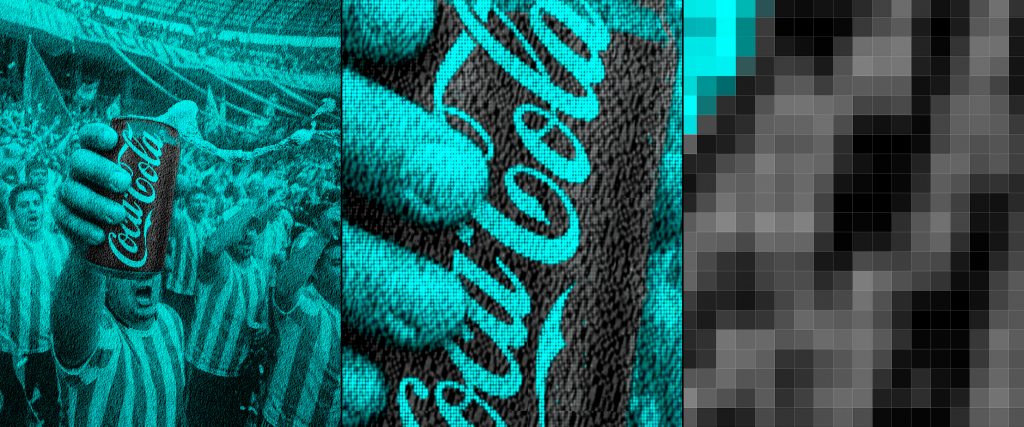
Coca-Cola went further with “You Must Love Coke,” a stadium campaign that made fans perceive its signature red without a single red element appearing in the work.
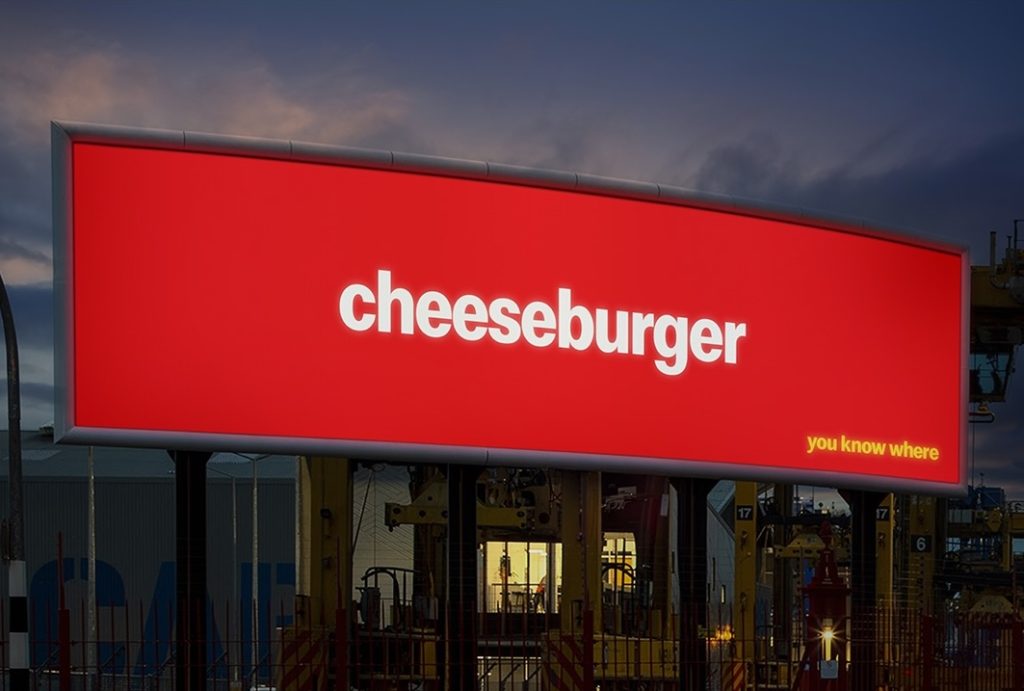
McDonald’s New Zealand stripped its outdoor advertising back to little more than menu item names, trusting brand fame to do the rest.
BMW Spain launched “Moving Landscapes,” a campaign that steps away from gleaming car shots and open highways to focus on something harder to photograph: the joy of being in motion.
In most cases this only works from a position of strength: you can only subtract the logo, the colour or the name when the brand is famous enough that the audience supplies them for you.
For everyone else, taking the brand out just leaves an ad nobody can place.
4. Strange bedfellows
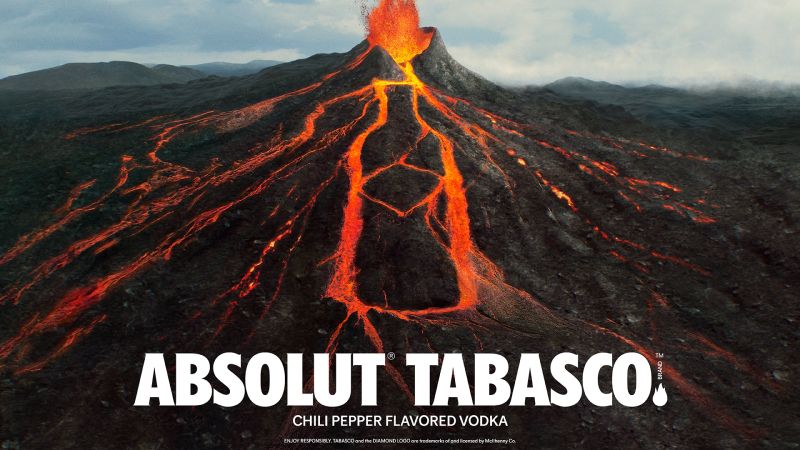
Absolut Vodka and Tabasco teamed up to launch a bold new spirit: Absolut Tabasco – a blend of two famous liquids amplified through true creative craft in the campaign film and OOH.
Some might say a partnership long overdue.
Many other brands spent the half-year pairing off with partners they had no obvious business pairing with.
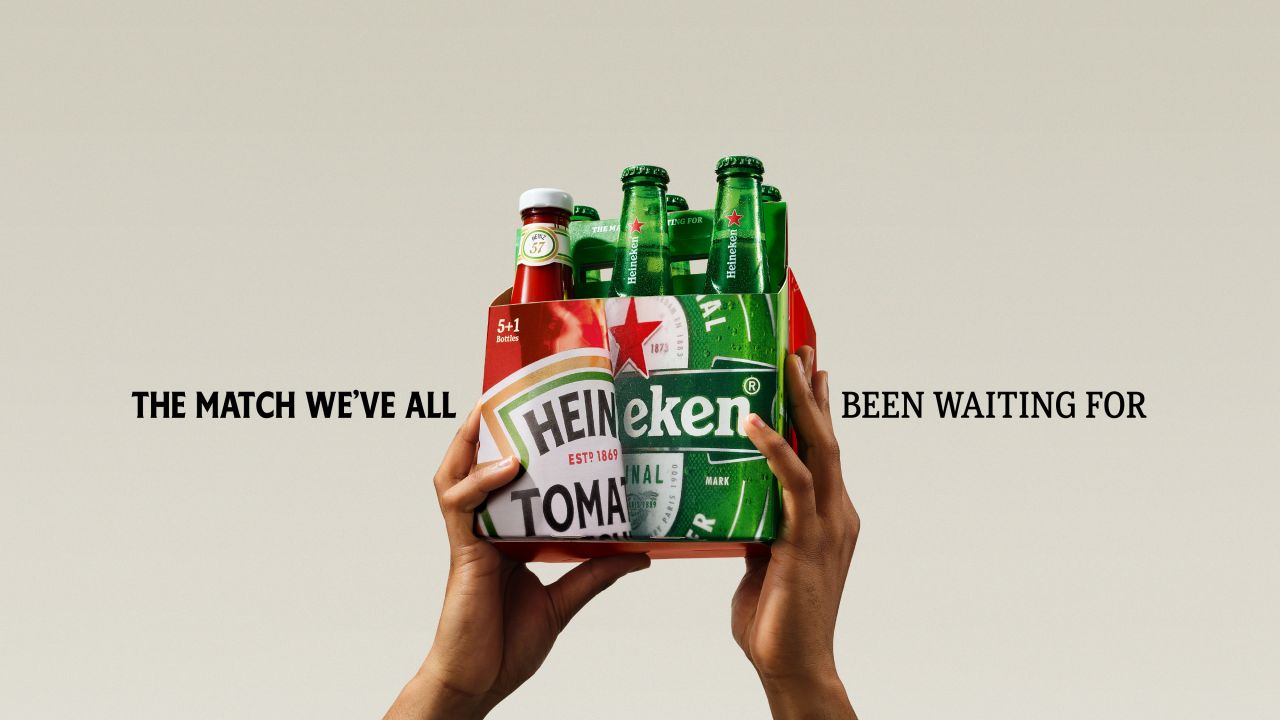
Heinz and Heineken called it “the match we’ve all been waiting for”: a six-pack of Heineken with the sixth bottle quietly swapped for a Heinz.
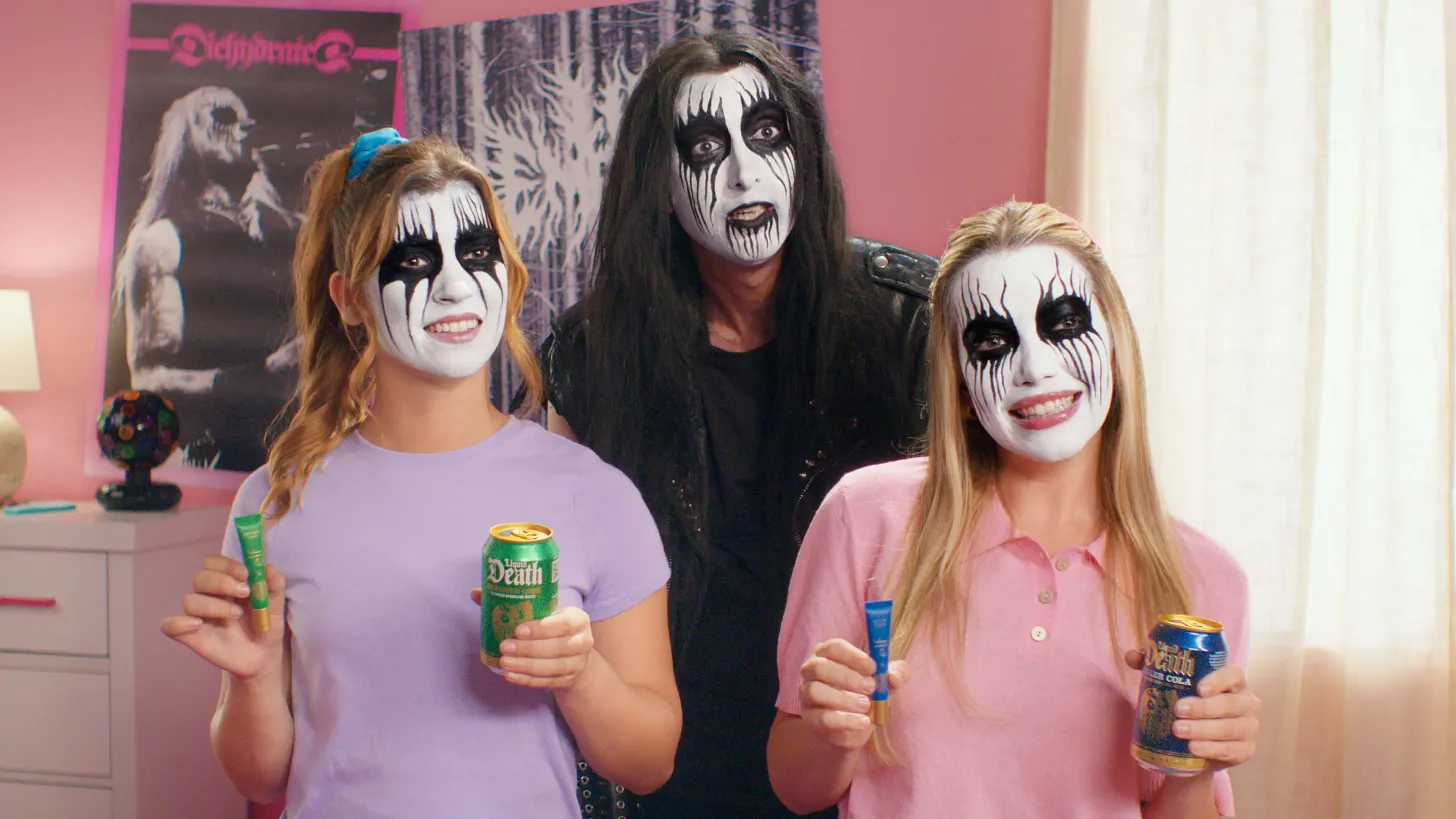
Liquid Death and e.l.f. brought back a black-metal frontman to sell lip balm.
LEGO and Crocs produced a wearable brick clog.
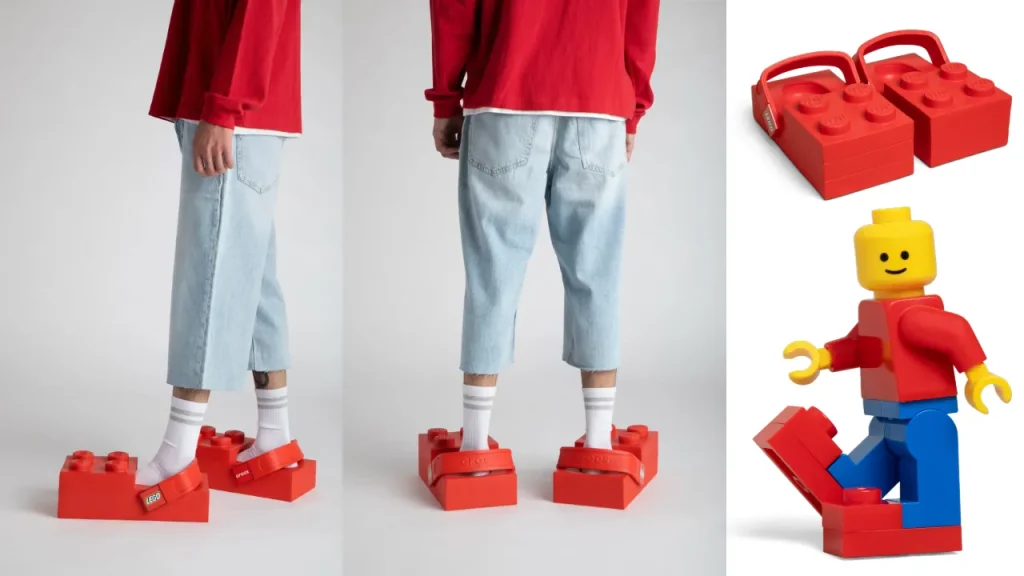
The friction is the point: two logos that don’t gel together generate more attention than either could alone, and the coverage writes itself.
The ones that worked had a real tension or a shared streak of humour underneath, not just two marketing teams splitting the reach.
5. Brand field trips
Real-world brand activations are coming into their own in a media ecosystem congested with digital slop.
Heineken renamed the Bakerloo line the Bakerl0.0 and served alcohol-free beers on it for Dry January.
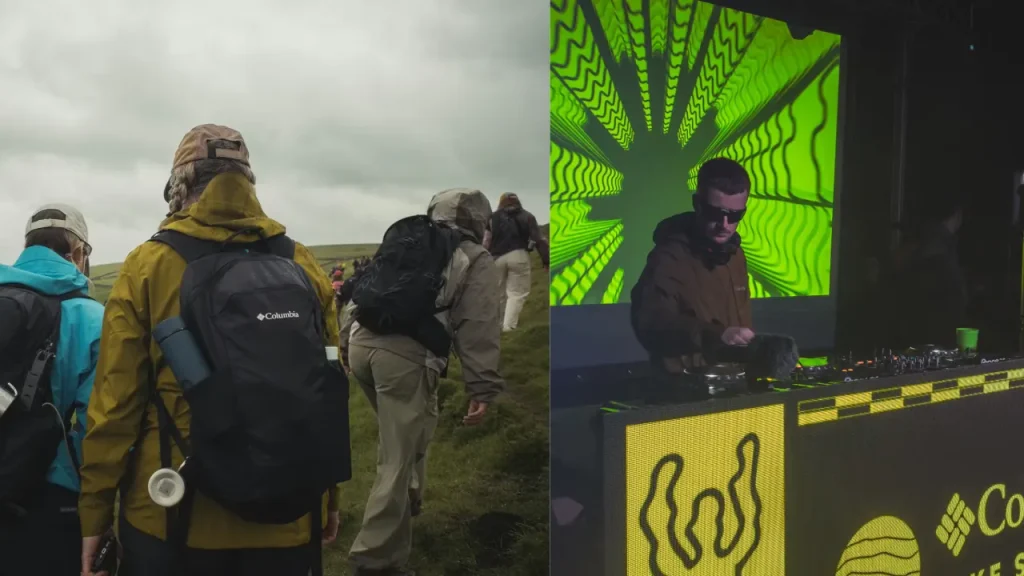
Columbia made hikers earn a “rave in a cave” by walking miles across the Peak District.
Oatly opened a bike-thru café in Amsterdam.
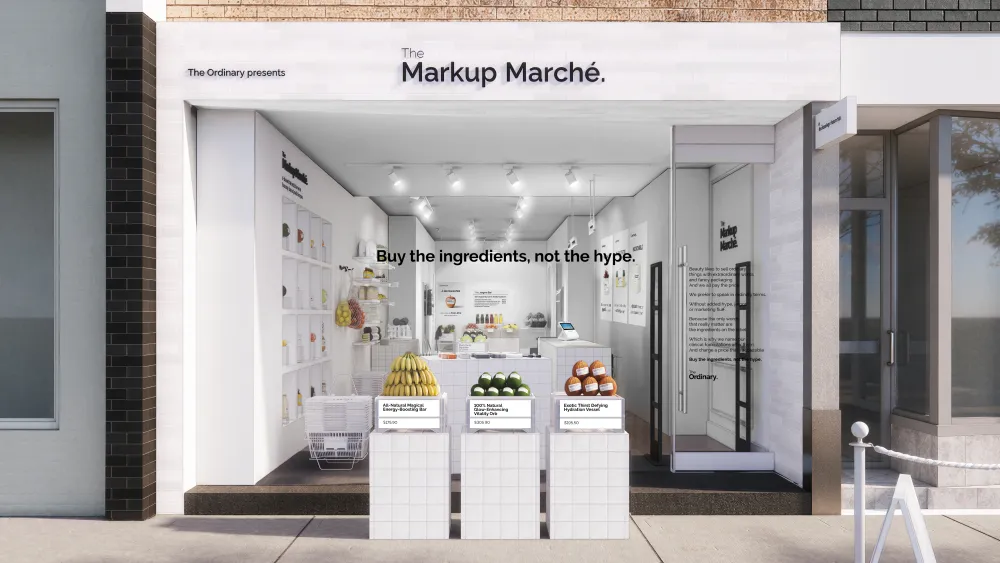
The Ordinary built fake grocery stores — the Markup Marché… and shelved a $175 banana to make a point about beauty mark-ups.
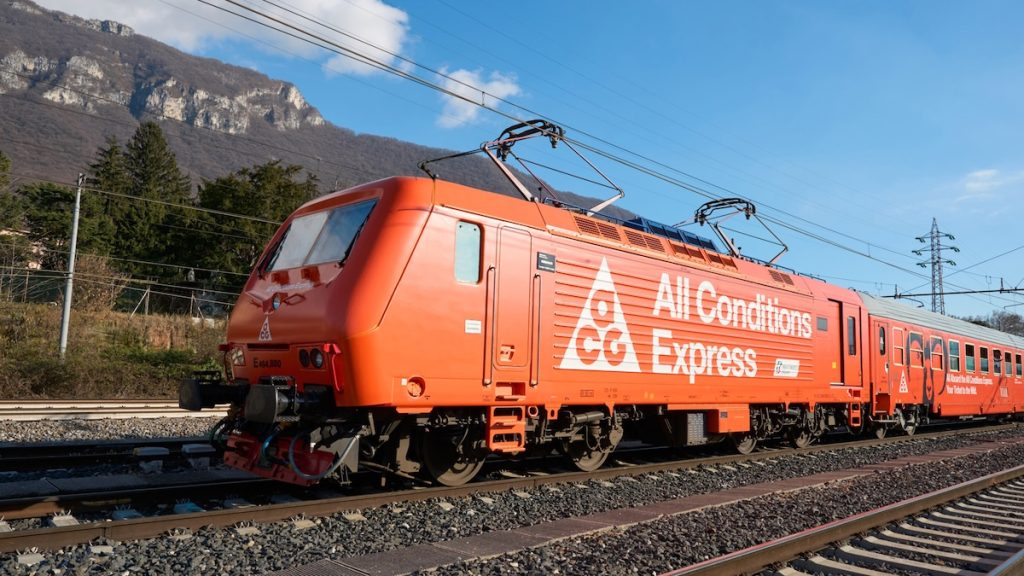
Nike relaunched its All Conditions Gear with a fully branded orange train at the Milano-Cortina Winter Olympics. IRN-BRU ran a Glasgow pop-up, Tat-BRU, tattooing its new can artwork onto willing fans.
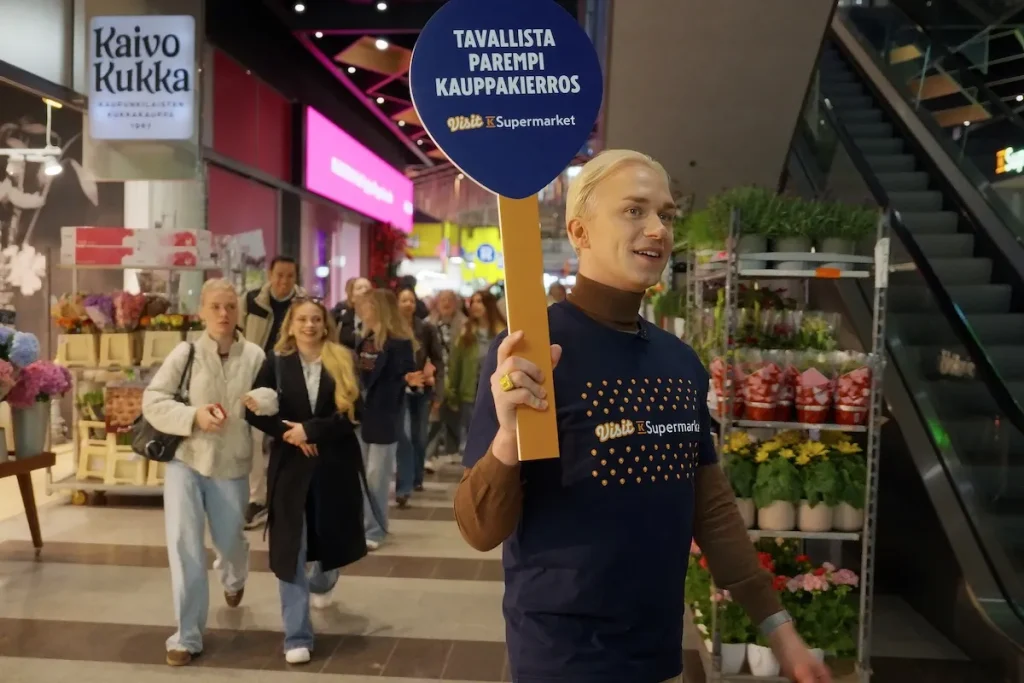
K-Supermarket became the first in the world to list multiple stores on Tripadvisor, positioning everyday supermarket shopping as a legit food tourism experience.
The lesson isn’t “do a stunt.”
It’s that the activation has to reward the people who turn up AND the idea needs travel in social to the people who didn’t.
If it doesn’t do both, it didn’t happen.
6. The Unscrollables
The best out-of-home work this half doubled as public spectacle.
Brands built physical things in public space designed to stop you mid-stroll, not wait to be glanced at.
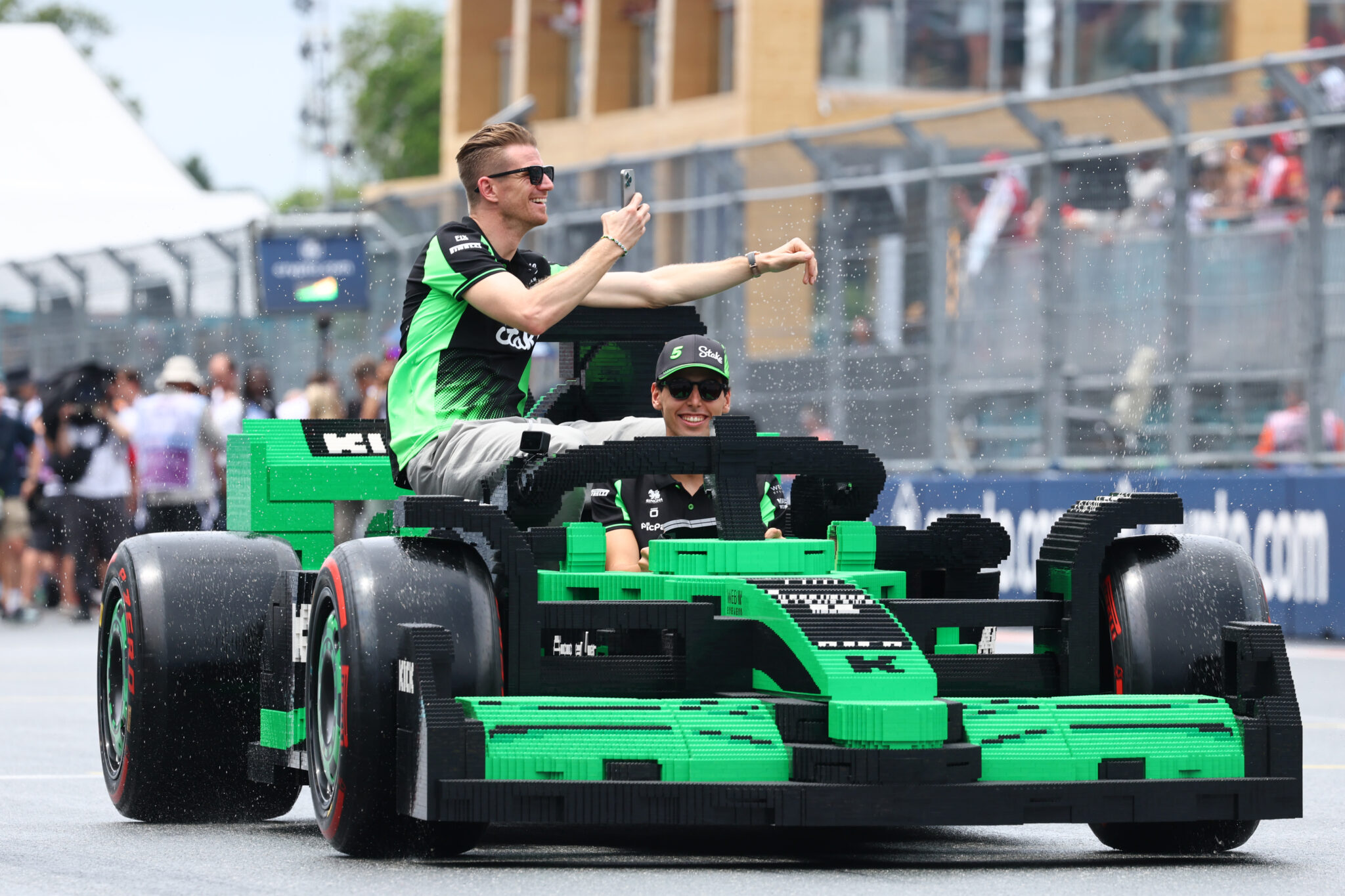
The Miami Grand Prix got a playful twist as LEGO took over the Drivers’ Parade with 10 fully driveable F1 cars – made almost entirely out of bricks.
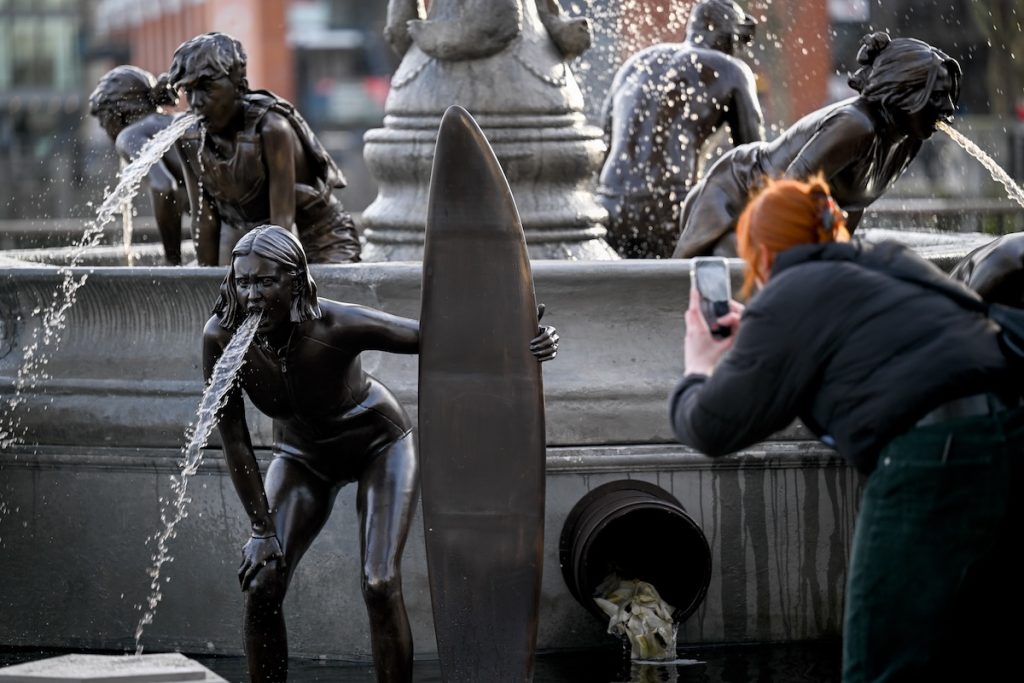
Channel 4 plumbed a “Fountain of Filth” into the street to promote a new drama and keep the heat on water companies over sewage.
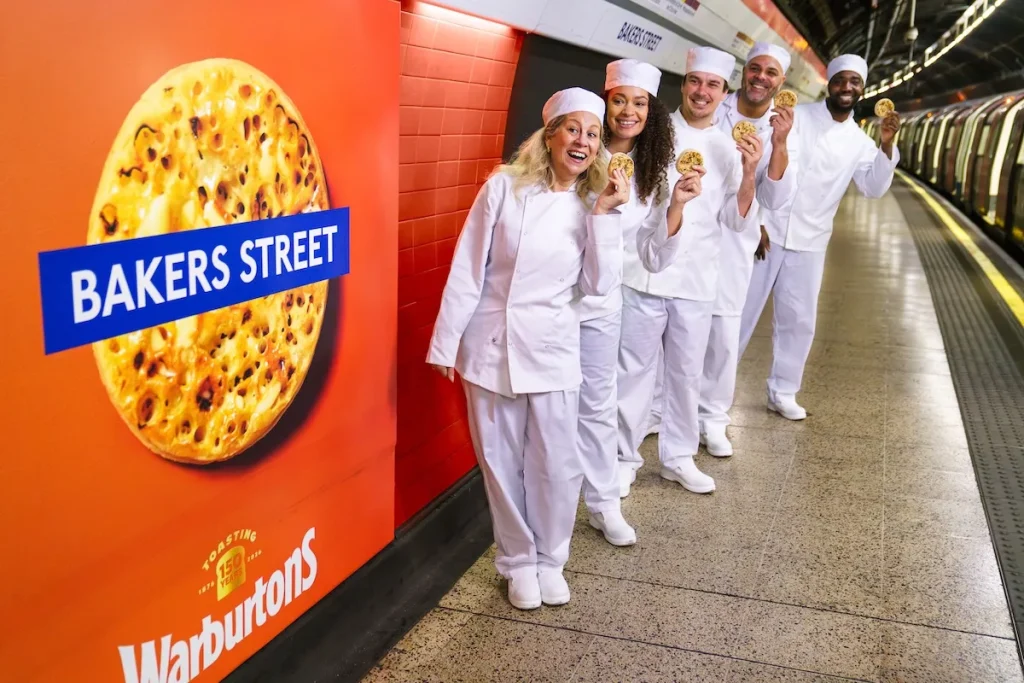
Warburtons renamed Baker Street “Baker’s Street” and handed the Tube tannoy to Morgan Freeman.
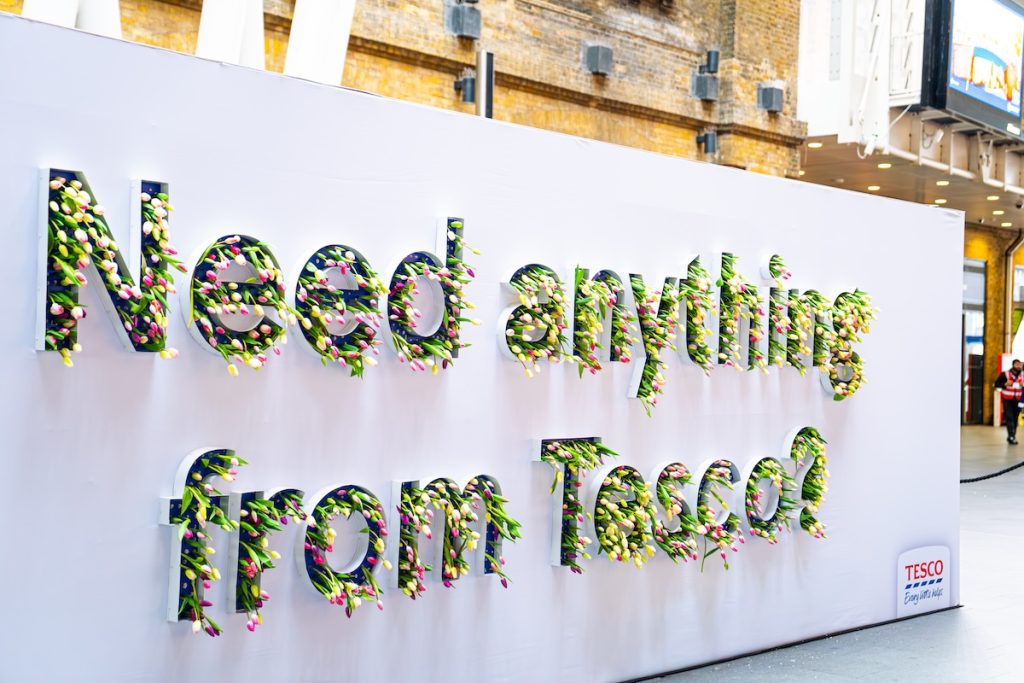
Tesco turned a King’s Cross billboard into a pick-your-own bouquet for Mother’s Day.
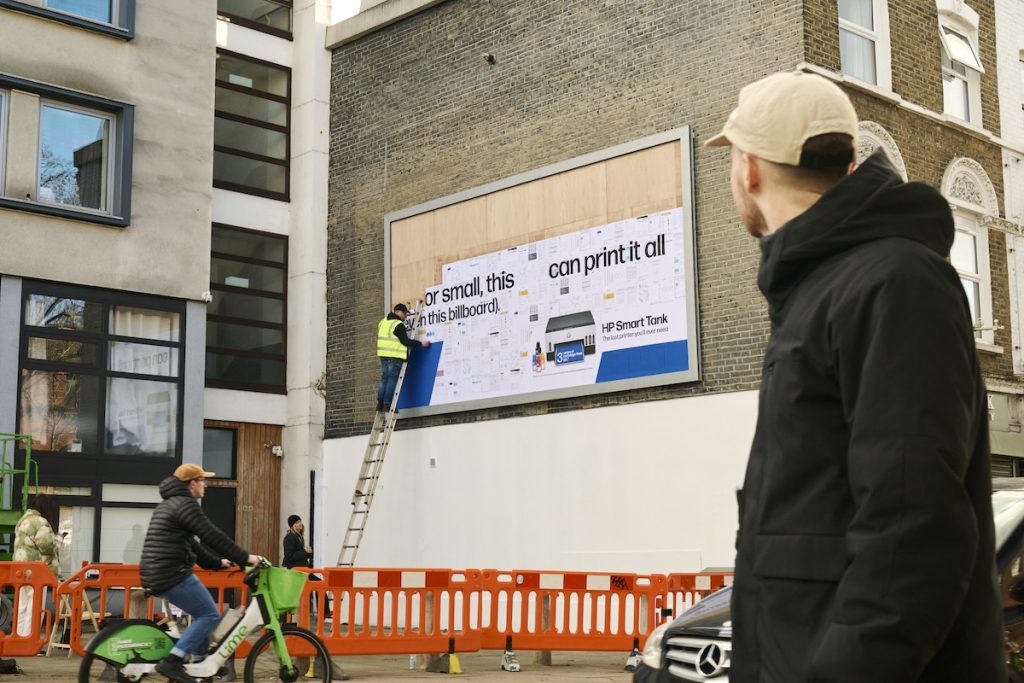
HP printed an entire billboard live on a Clapham street, one A4 sheet at a time.
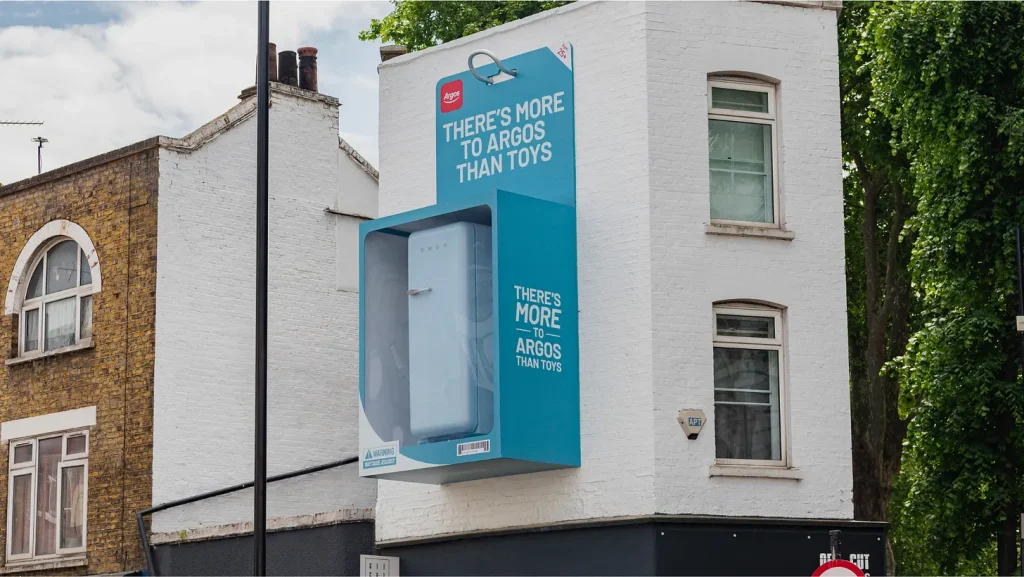
In June, Argos parked a Smeg fridge inside a giant toy box.
And National Geographic took the brief most literally of all, replacing billboards with working bee hotels.
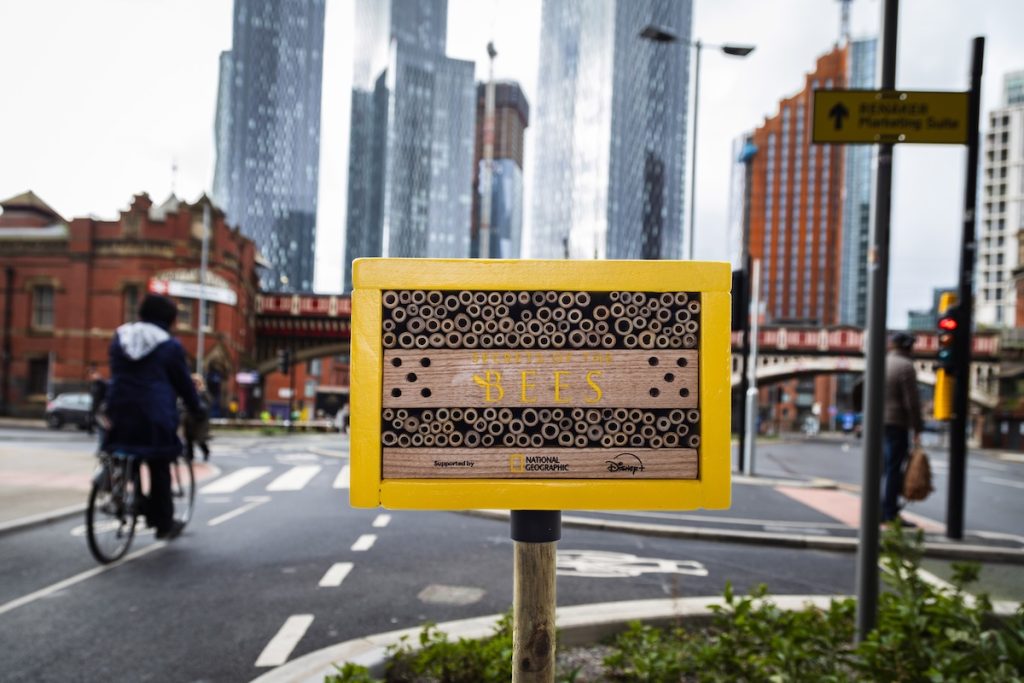
You can’t scroll past a fountain, or a physical hoarding full of bees, and a snappable installation does the spreading afterwards.
The discipline is making the spectacle carry the point rather than words.
The weaker version is a ‘big thing’ in a station.
7. Snap decisions
The best reactive work of the half-year came from IKEA, delivered in minutes.
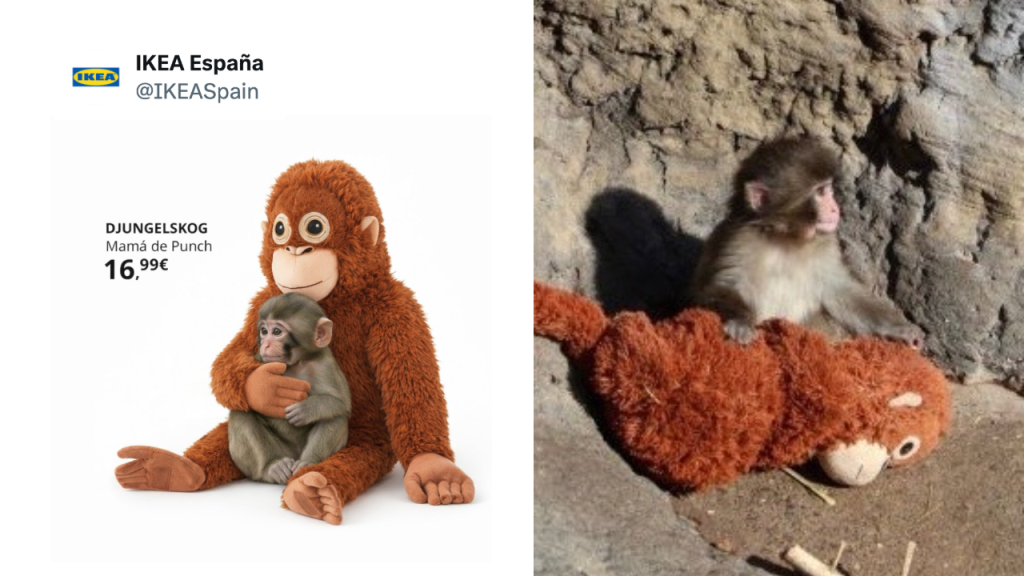
When ‘Punch’ — a hand-reared baby macaque at Japan’s Ichikawa City Zoo — went viral in February clinging to the Djungelskog orangutan a keeper had given him for comfort, IKEA’s response team rebranded the plush as “Punch’s comfort orangutan,” and won global attention.
The KitKat heist was the other kind of reactive: not engineered at all (as far as we know).
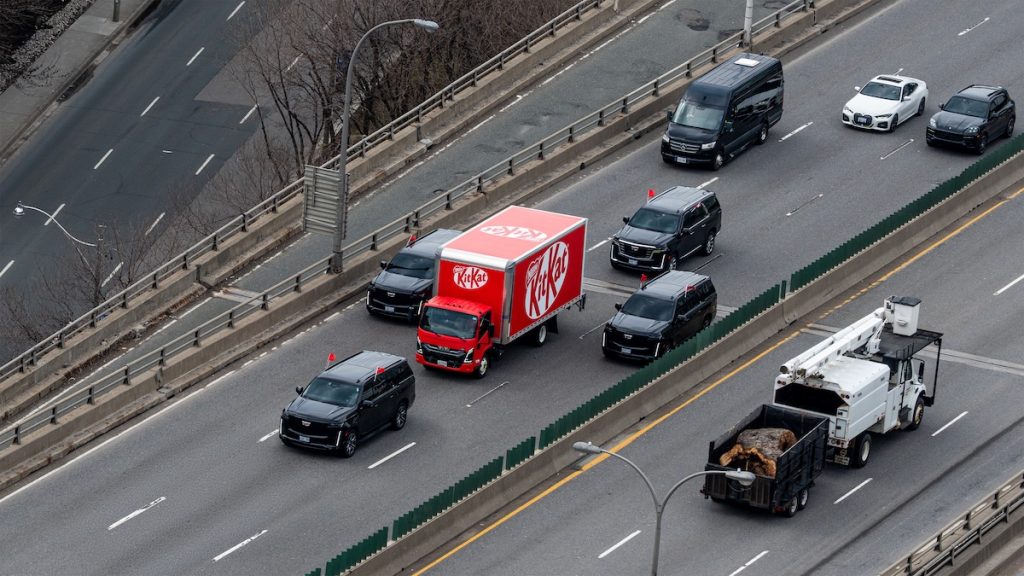
A lorry-load was stolen, the internet turned it into a running joke, and the brands quick enough to play along turned a supply-chain headache into tens of millions in earned coverage. KitKat’s agencies built on the theft, throwing more fuel on the meme bonfire.
Reactive only works if the brand is built to move: a voice that’s already established, sign-off from stakeholders in minutes rather than days, and the nerve to react.
Stella Artois’s snow-filled chalice and Audi’s thermometer billboards were both pre-planned to fire the moment the weather did the work.
IKEA proved that the fastest route to fame is sometimes just paying attention, with a team who has permission to act in the moment… and being ready when it happens.
8. Calendar hacking
These campaigns were built in advance to ride a moment everyone already had in their diary – aka ‘Planned Reactive’.
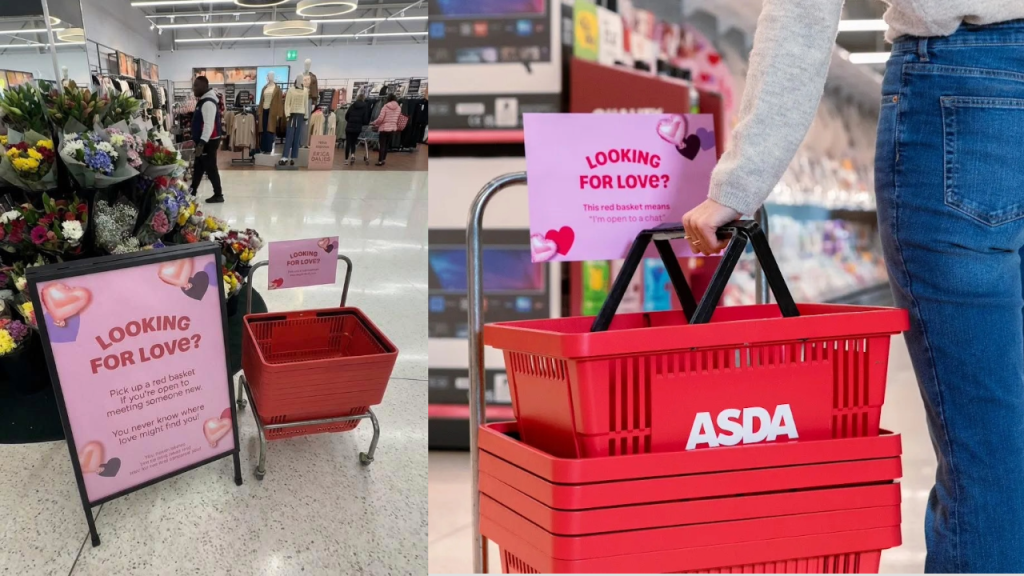
Valentine’s Day brought a flurry – Asda’s “open to chat” red baskets for single shoppers.
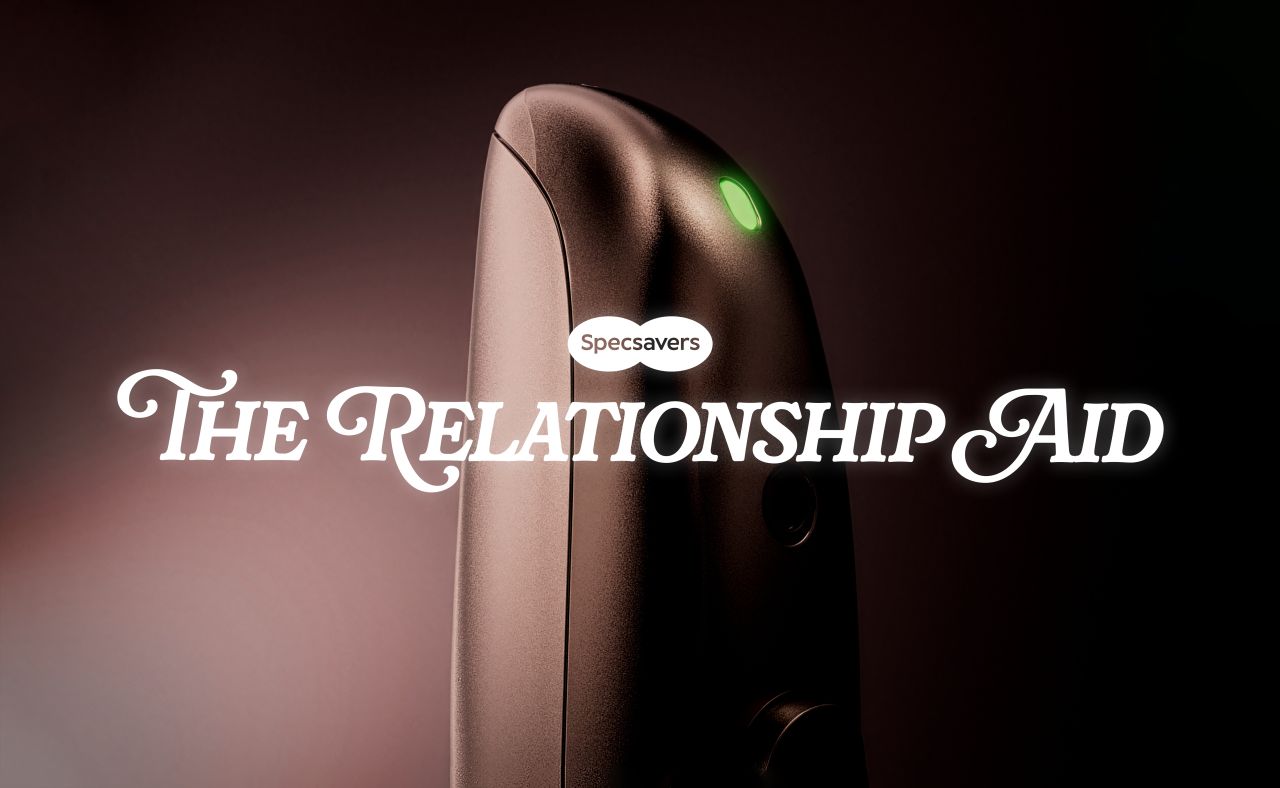
Specsavers won the day by turning hearing aids into a stigma-busting nod to real connection.
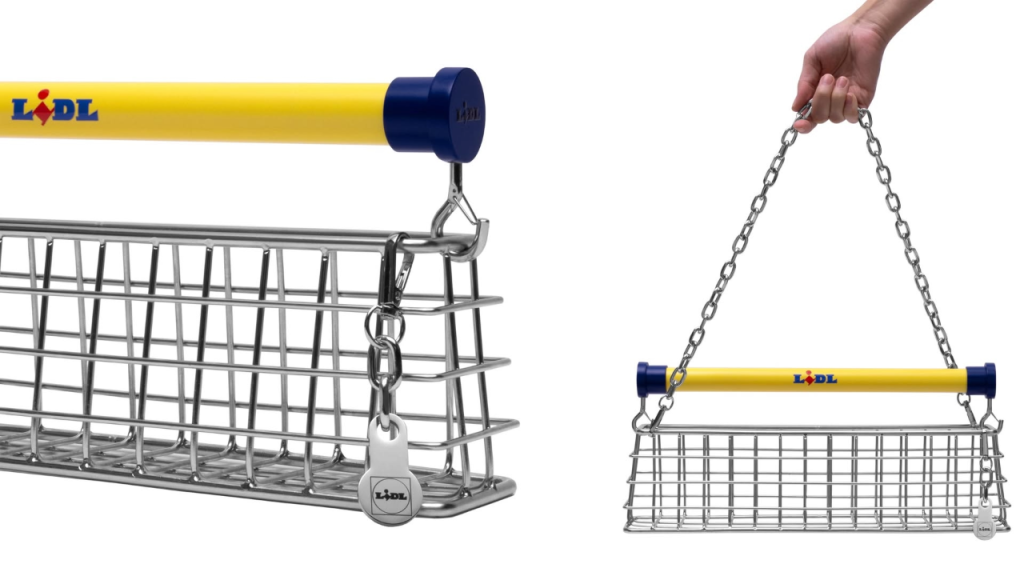
Lidl gatecrashed London Fashion Week with a designer trolley bag.
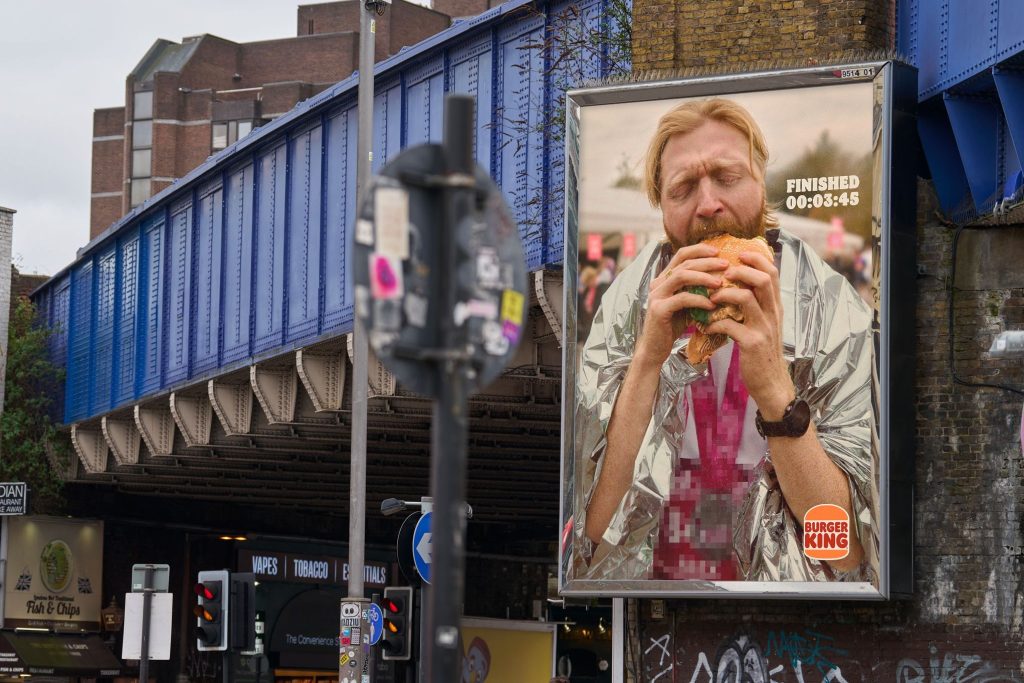
At the London Marathon, two brands stood out: Vaseline appointed itself the race’s official “nipple protector,” while Burger King handed finishers a Whopper and shot real post-race portraits stamped with how long the burger took to eat.
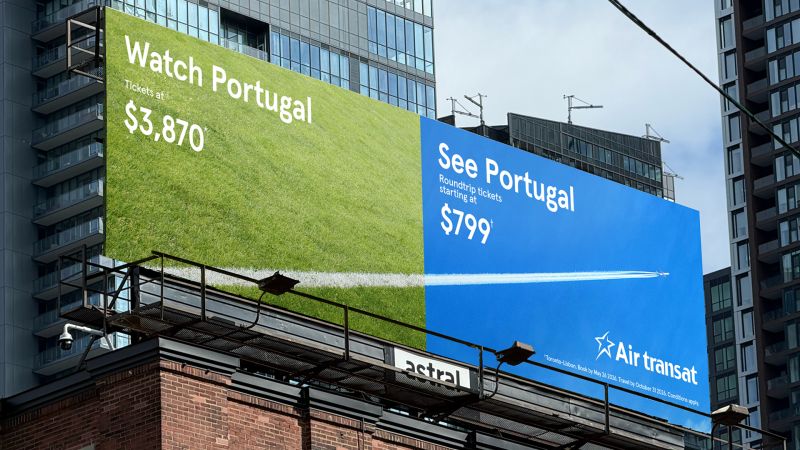
Air Transat built a campaign around the absurd price of World Cup tickets, running live comparisons between a match seat and a return flight to the country fans were supporting.
On the Beach launched a “Beckham clause” refund for holidays derailed by family fallout.
The discipline is having something to say about the moment, not just showing up at a calendar pile-on.
The brands that won borrowed a moment people were already talking about and added a unique angle.
9. Anti-Enshittification
The discontent in AI and tech BS had a wider target: the slow decay of the platforms everyone depends on.
The Norwegian Consumer Council built an ad around “enshittification” — Cory Doctorow’s term for how digital services rot once they’ve locked their users in — and played it for laughs at the platforms’ expense.
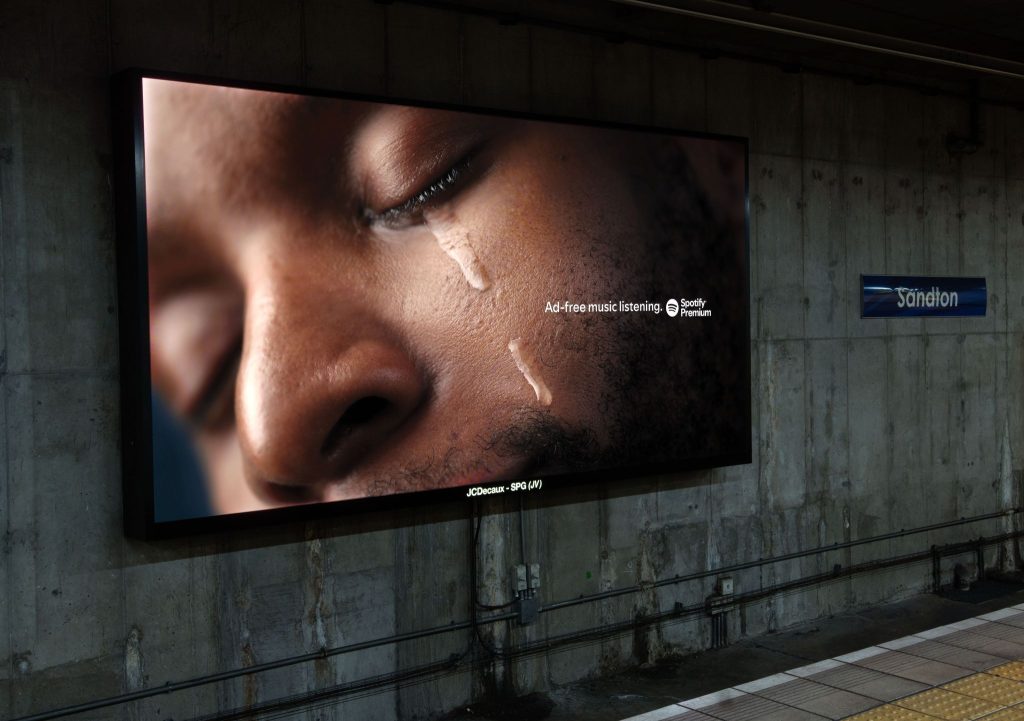
Spotify, of all companies, ran a print and OOH series dramatising the jolt of an ad break puncturing a song, as an argument for paying to escape ads.
The EU Parliament’s anti-AI-copyright-theft campaign looks like it cost about a tenner to make. It features a man in a robot costume, and it’s great.
Anthropic’s Super Bowl debut from Mother openly ribbed OpenAI for putting ads in ChatGPT.
Online tracking went under the spotlight in Apple’s surreal new ad – promising privacy.
Back Market launched ‘Downgrade Now’, an integrated spring campaign that pushes back against the endless pressure to upgrade.
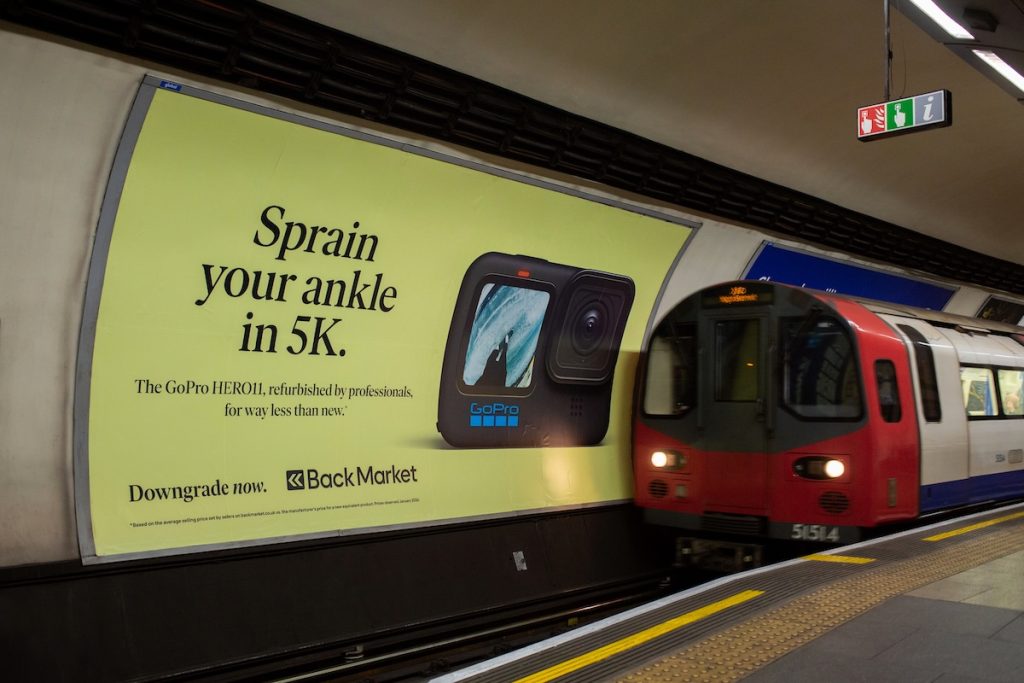
It’s a recognisable move: the brand plants itself on the user’s side of a fight with technology.
It carries an obvious risk: Spotify makes the case against ad interruptions while serving plenty of them but it reads the room.
In 2026, “the tech is getting worse” is something audiences feel, and the brands willing to say it out loud sound like allies rather than vendors.
10. Friction fixes
Another strand of creative work ran underneath new product noise: brands fixing a mild annoyance and making the fix the campaign.
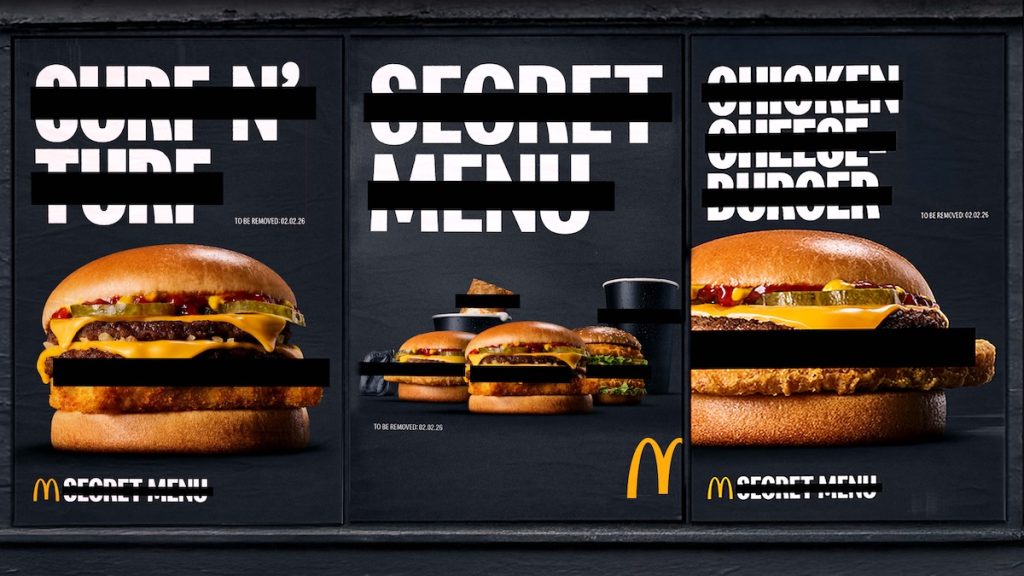
McDonald’s tapped into a decades-old urban legend – that a secret menu existed – and finally made it official.
Heinz built KegChup, and Corona introduced laser-etched limes to fix the wedge-in-the-bottle ritual.
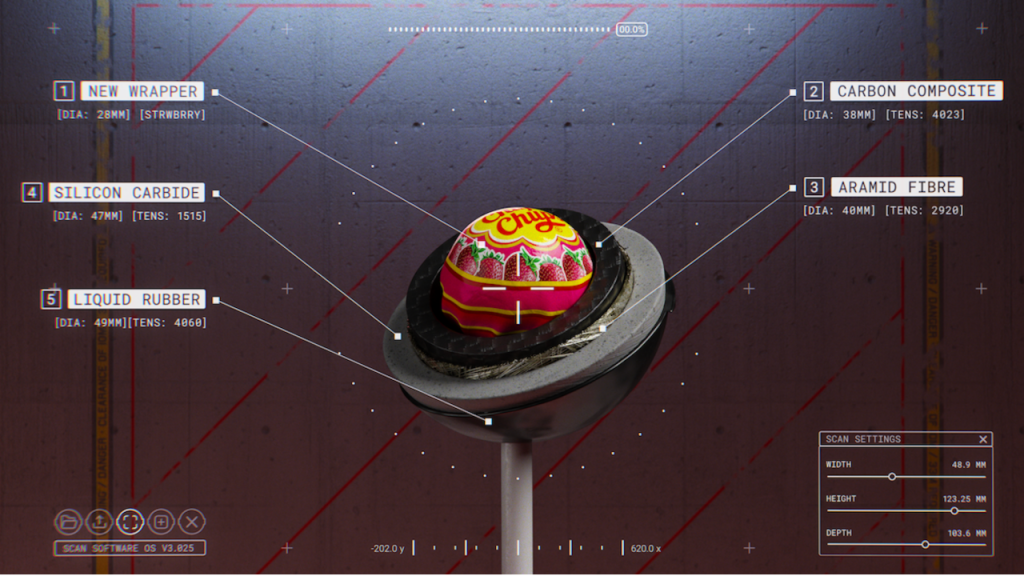
Chupa Chups reworked its wrapper so it finally opens easily, then dramatised the relief with a Lucha Libre-themed out-of-home campaign.
Cadbury’s ‘solved’ Creme Egg mess with a GooTool.
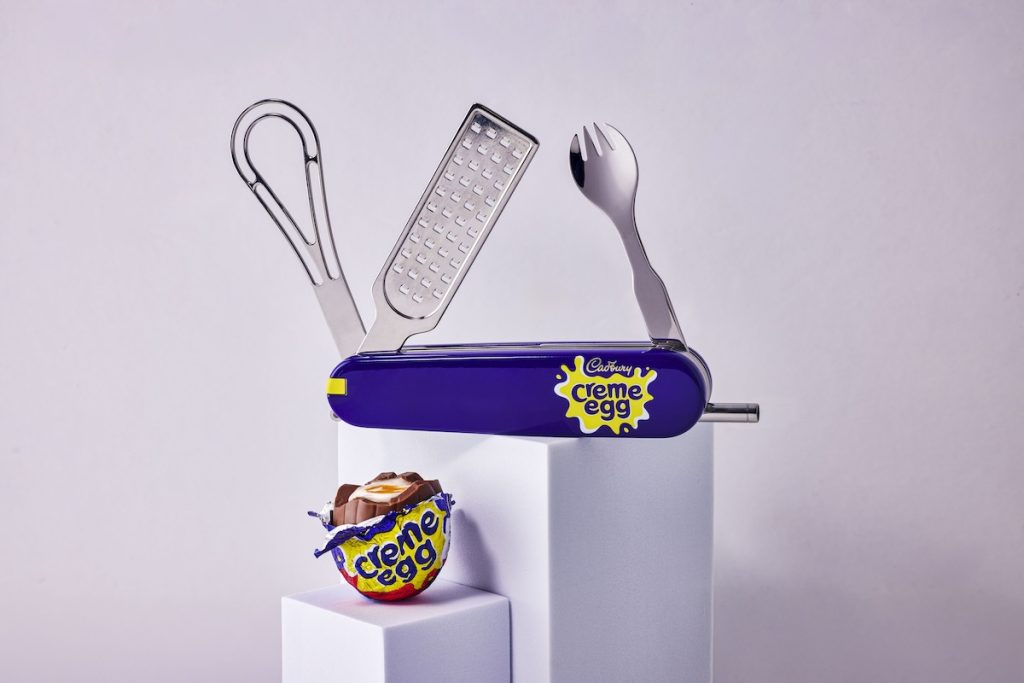
Fixing a genuine source of friction earns attention – the trick is finding a brand relevant problem worth solving in the first place.
11. Cause and effect
Purpose-led work improved by getting more creative and intentional with real world activations.
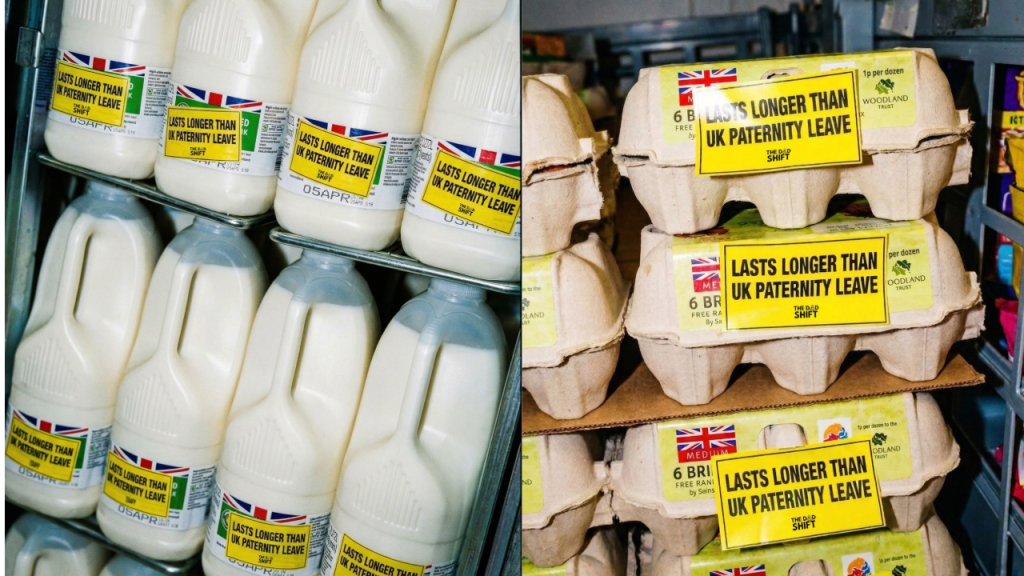
The Dad Shift compared UK statutory paternity leave to everyday things that last longer, making a fortnight feel absurd with guerilla stickering
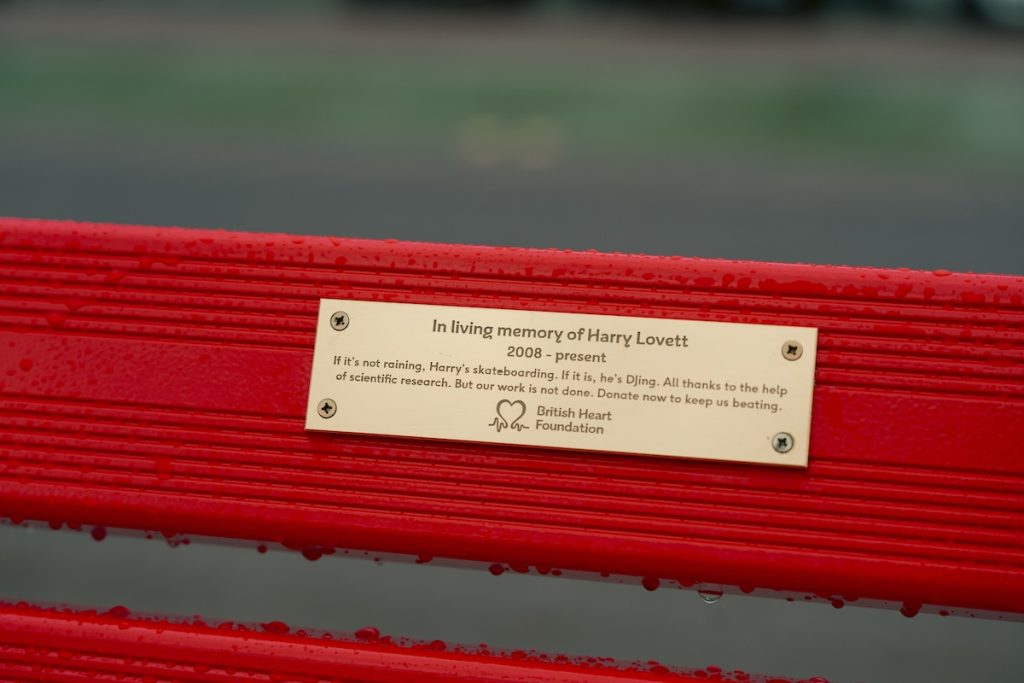
The British Heart Foundation inverted the memorial bench, honouring survivors rather than the lost.
Metallica turned UK tour dates into a blood-donation drive.
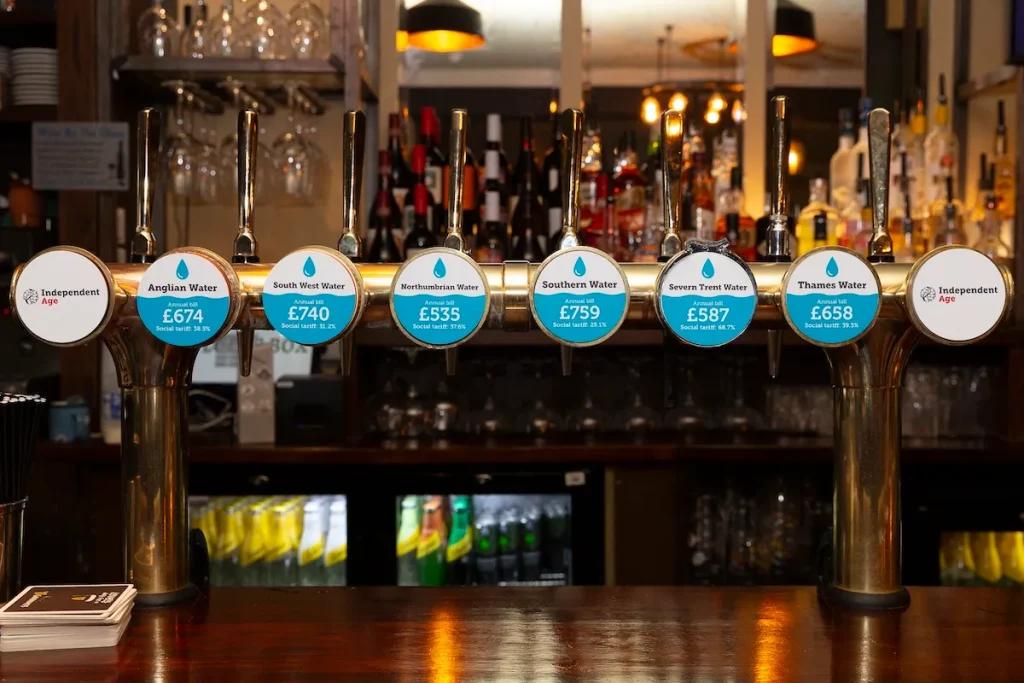
Charity Independent Age opened a Westminster pop-up pub with row of taps representing prices across regions across the country – to expose rising bills
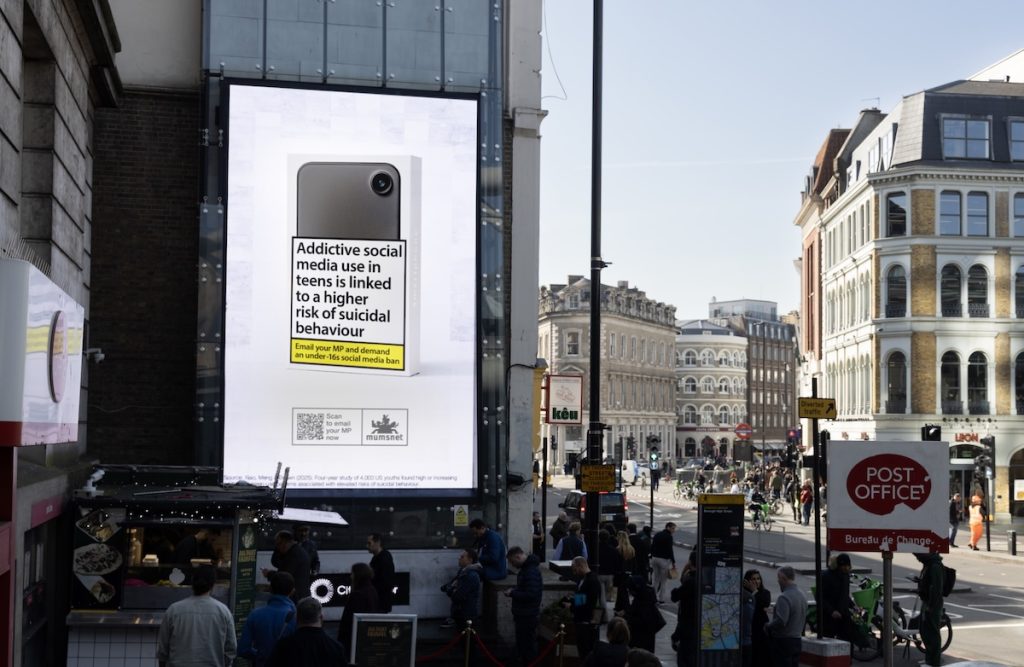
Mumsnet dressed its case for an under-16s social media ban as cigarette-packet health warnings and pointed people at their MPs.
Peanut and Tommee Tippee campaigned to get “matrescence” — the word for the shift into motherhood — into the dictionary.
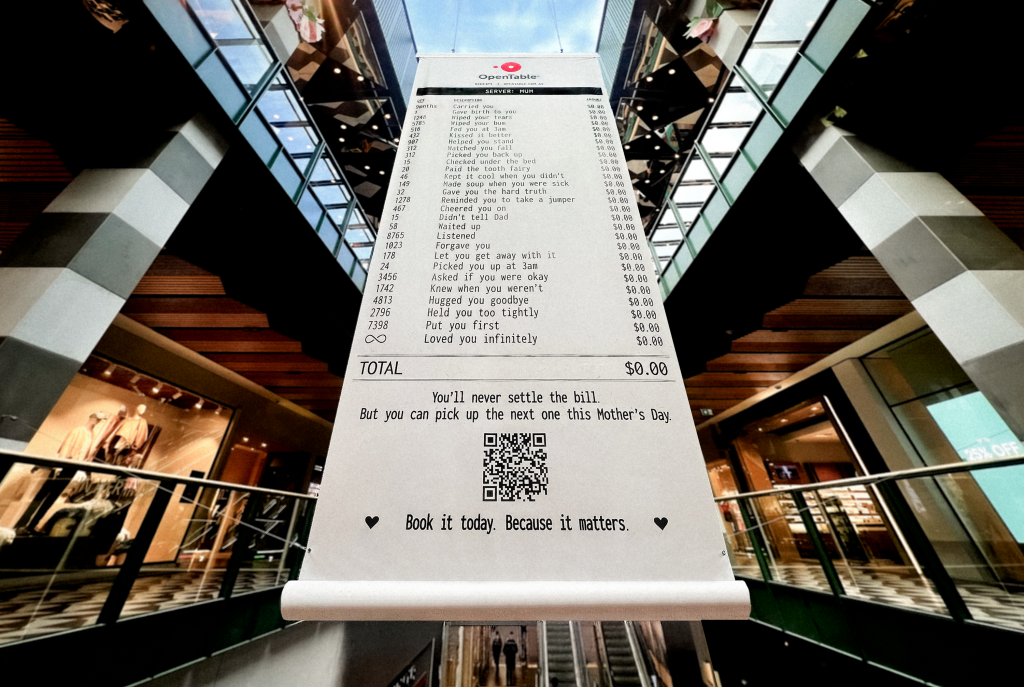
And OpenTable hung a towering receipt for a lifetime of unpaid maternal labour in a Melbourne mall, totting up to a pointed $0.00.
There’s a version of purpose still working.
12. No fixed abode
There’s a handful of campaigns that don’t really fit neatly into the categories above but deserve an honourable mention.
Coinbase released a painstakingly crafted film that makes the real world feel like a video game, using in-camera technique to sell the idea of escape with unusual charm.
behind the scenes….
At the turn of the year Colombia sportswear sent flat earthers on an expedition to the edge of the world, turning internet conspiracy logic into a deadpan outdoor adventure.
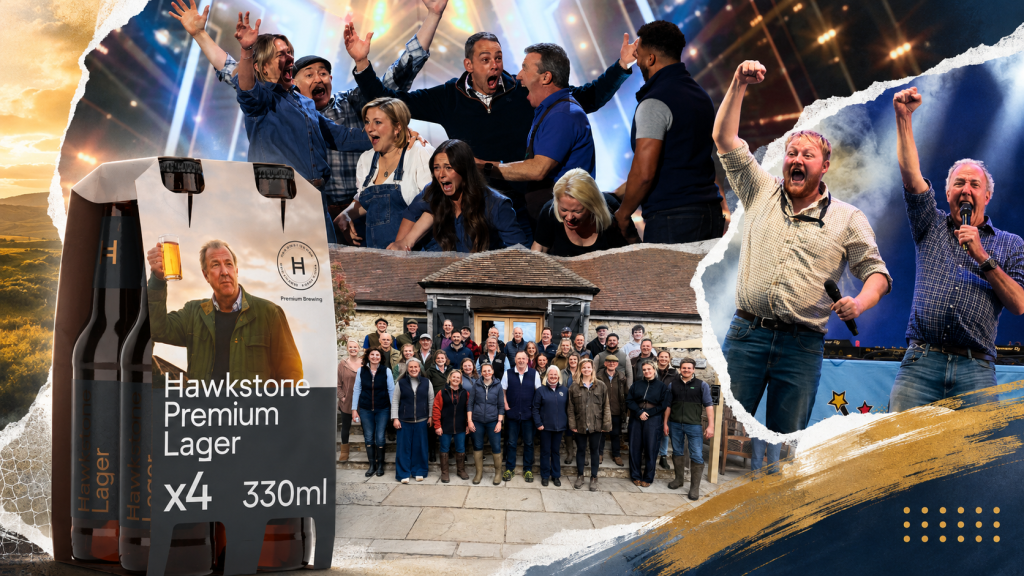
Hawkstone won Britain’s Got Talent. A choir of 34 working farmers, first put together for a beer ad that was made to be banned.
An early contender for PR campaign of the year.
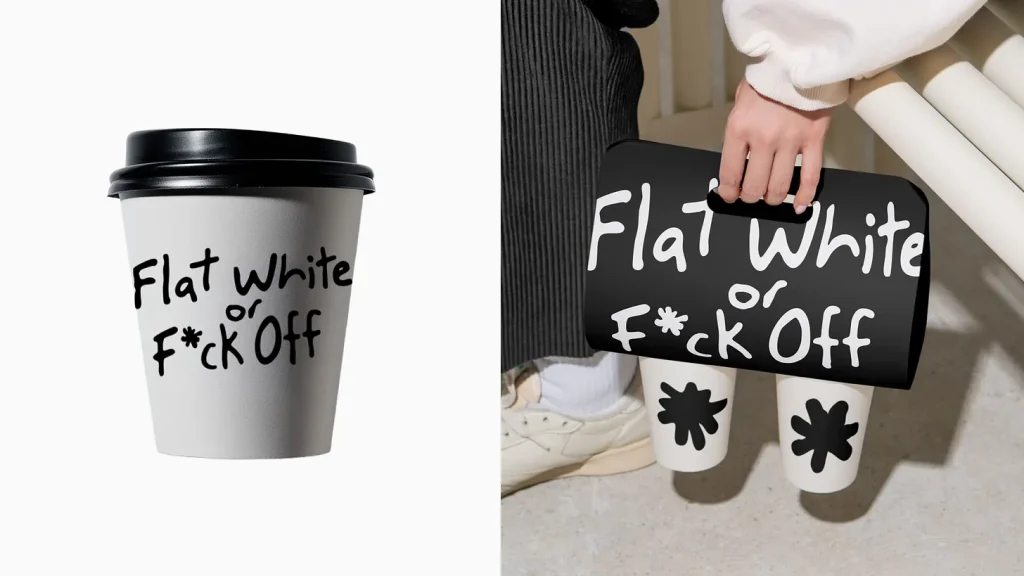
Flat White or F*ck Off – a coffee concept shop threw down the gauntlet with a bold message: if you don’t want a flat white, you can f*ck off. The pop-up ignites debate around choice fatigue and the cult of personalisation.
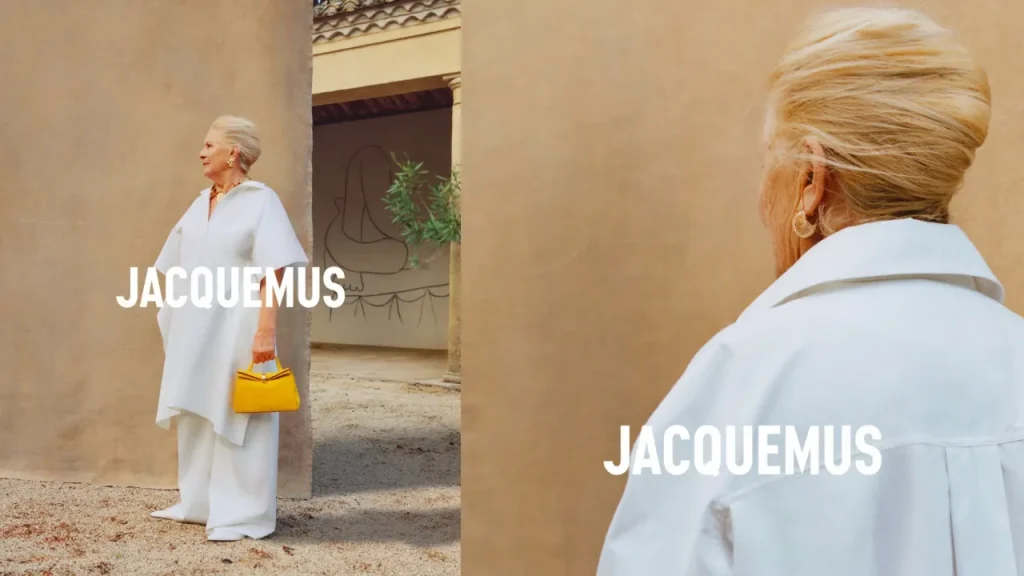
For the first time in its history, Jacquemus named a brand ambassador not a celebrity or influencer, but the founder’s own grandmother, Liline.
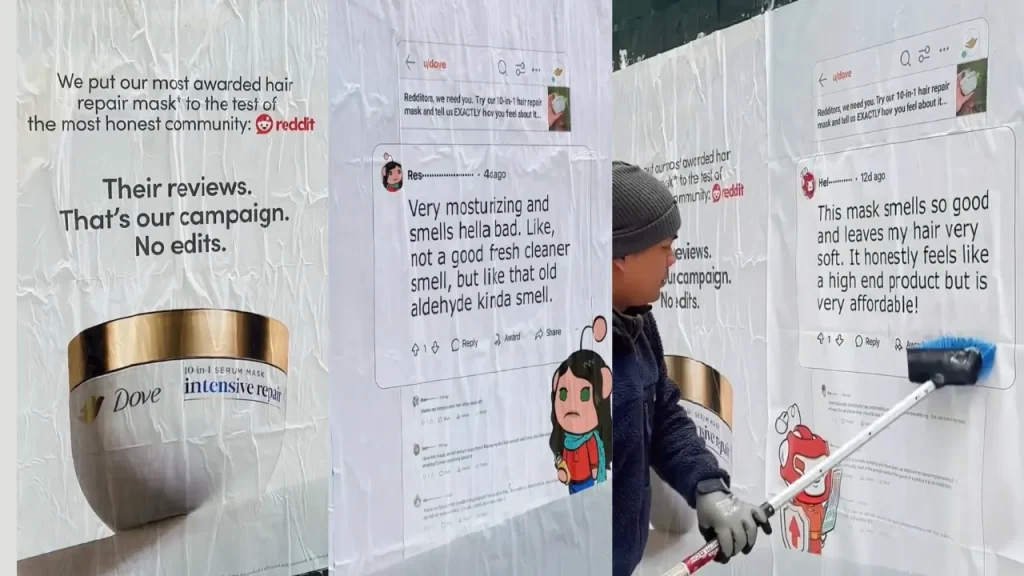
Dove built a national campaign for its Intensive Repair mask from unfiltered Reddit reviews, putting real consumer voices at the centre of the work.
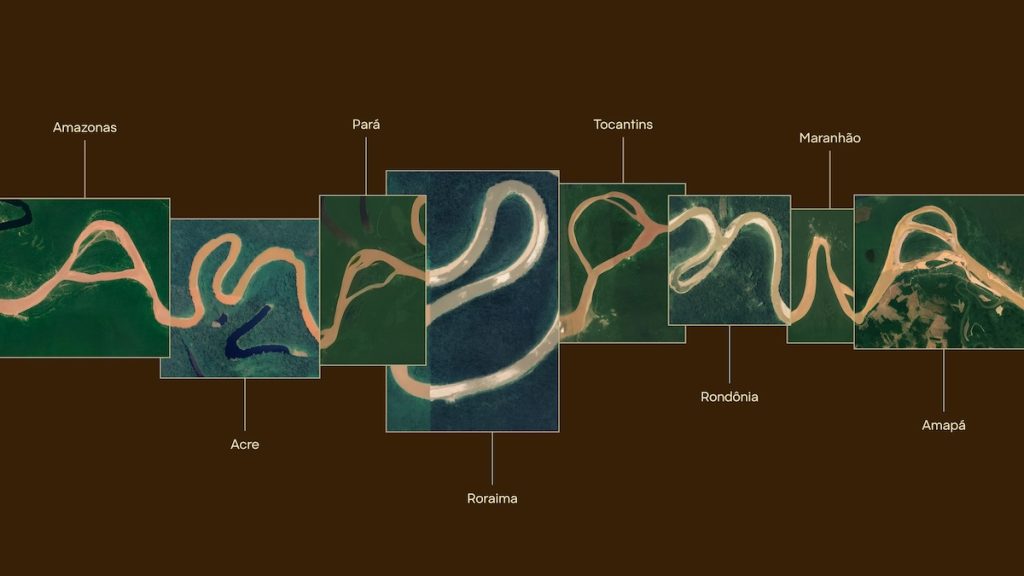
The Brazilian Amazon got a new brand identity built from its rivers.
Summary
The work that won in the first half of 2026 was specific, physical and confident.
It trusted a novelty product, a strange bedfellow, a fast reaction or a single human moment to do the job, and left empty spectacle to everyone else.
The brands worth watching will be the ones that bring this kind of specificity to it, rather than the ones that just turn up with millions of media spend and blitz our feeds and media channels with self-serving sales messages.
Get our round-up of ideas and insights in your inbox every Friday – SUBSCRIBE