What I learned at Famous Campaigns Live
guest post by Claire Bridges, Founder Now Go Create
I describe myself as professionally nosy, so was excited to be part of last week’s Famous Campaigns inaugural live event. We went behind the scenes on the glossy case studies and heard the real stories of how these campaigns made it from fledgling ideas, out into the world.
In that spirit, here are my BTS observations from the green room, the stage, and from the four Q&A sessions I had the privilege of hosting with speakers from the agency/client teams working on Absolut, Monzo Waitrose and The Ordinary,
As a learn-it-all, it was an inspiring and informative day. The format was a 15-minute talk followed by a 10-minute Q&A which meant every word, image and story had to earn its place. The best talks left people wanting more, which feels rare and special in these attention-deficit times.
Here’s what stuck with me.
Even seasoned presenters get nerves
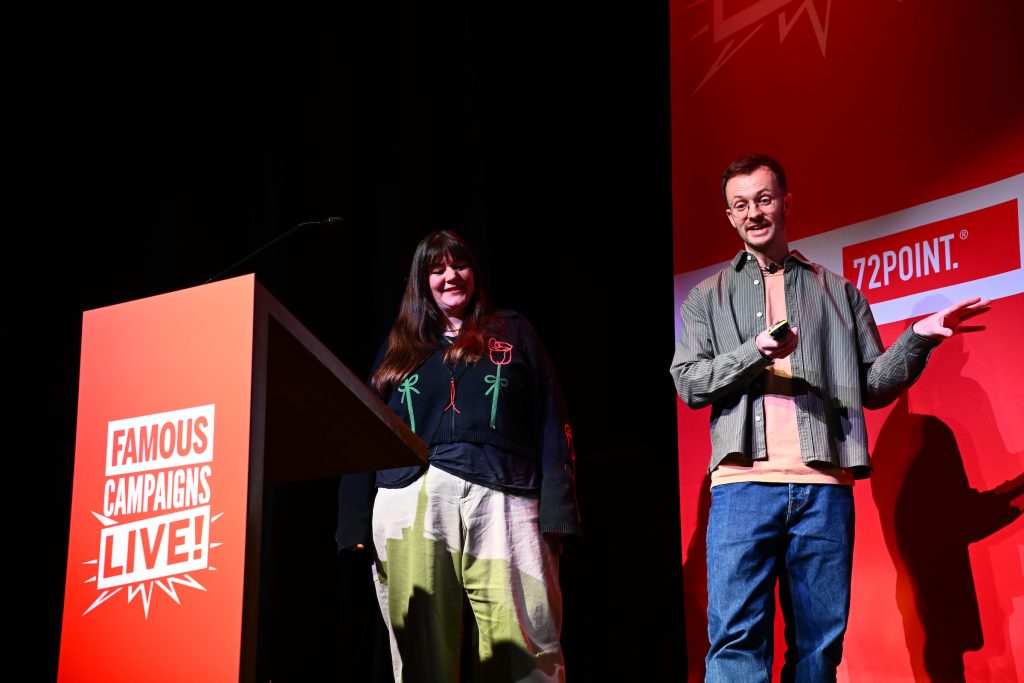
It was fascinating to watch how different speakers approached their talks. On stage they all absolutely nailed it – genuinely some of the best presenters I’ve seen. Some had pre-talk nerves backstage. Others had a pre-game ritual, or were analytical, even self-critical afterwards. There is no one or right way to do it. What I do know is that an awful of prep was done off-stage.
There was no winging it here. And there’s a counterintuitive lesson in that.
What I noticed is that prep and rehearsal don’t make a talk feel mechanical – it’s what creates the space for spontaneity. When you know your material well, and you know what feeling you’re trying to evoke, you stop being obsessed with memorising the words and start connecting with the room. The off-the-cuff moments that land and resonate are often the ones that happen because everything else is locked in.
Ruthless editing is a superpower
There’s an old line that goes: “I would have written a shorter letter, but I did not have the time.” In a 15-minute slot, there is no room to find your point halfway through.
Every story chosen, every slide included, had a reason to be there. If in doubt, leave it out. I once pitched for a £1m account in 10 slides, and that certainly focussed the mind.
Sweat the details – they’re the whole point
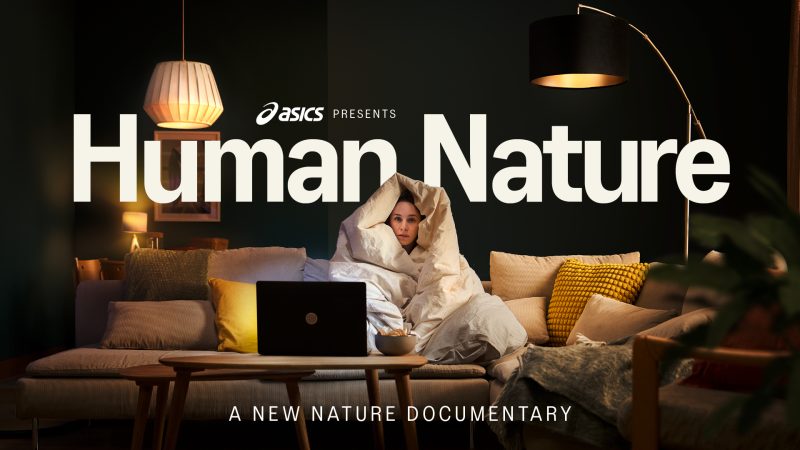
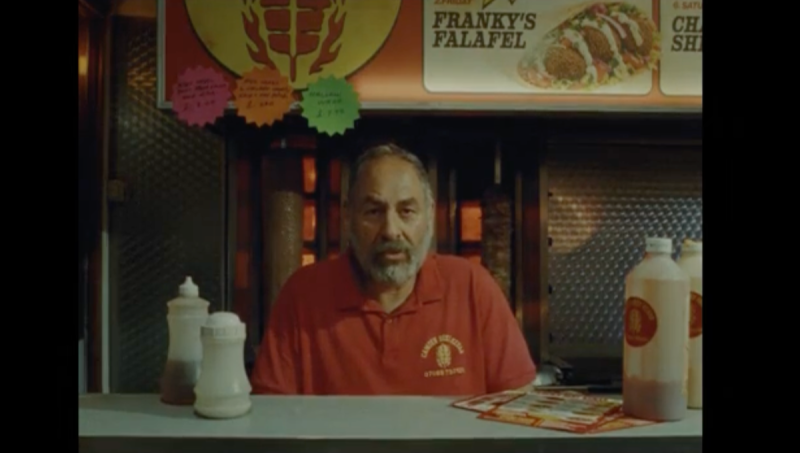
This came through most vividly in the Waitrose session. Stacey Bird and Jack Croft from Wonderhood Studios talked about how they gave their extended creative team two full weeks to do nothing but watch Christmas rom-coms.
Not because it was fun (though presumably it was), but because they needed to understand the conventions of the genre from the inside-out: from the chunky knits that signal warmth, the rhythms of the meet-cute to the Easter eggs that reward the attentive viewer.
The key message: commit, commit, commit.
That level of care is what lifts a piece of work from competent to memorable. I’ve worked on briefs where the entire timeline is 2 weeks or less. There’s a note here on getting the work you deserve from the quality of the brief, and the space to think you give the brains working on it.
Proving you’re not AI has become part of the brief
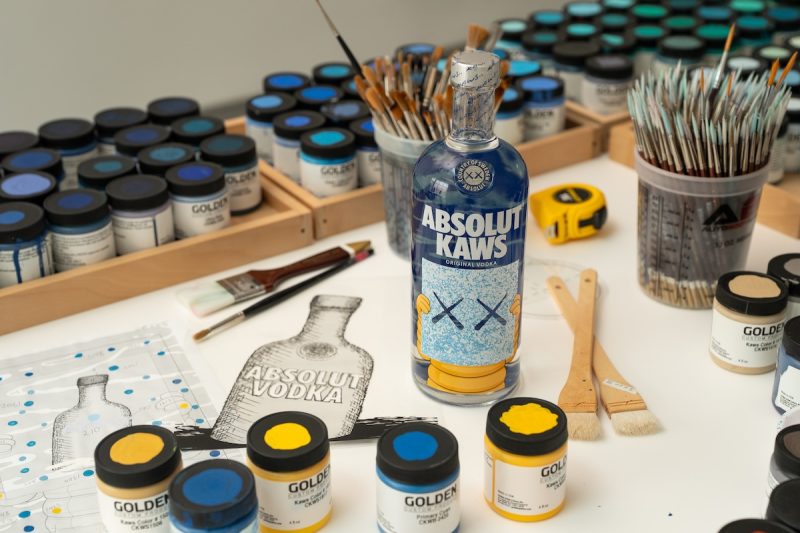
The Absolut session, with Filip Kiisk and Freddy Taylor from Wieden+Kennedy, surfaced something that we don’t necessarily want to admit: the idea that brands now must not just make something brilliant, but actively demonstrate that it was made by humans.
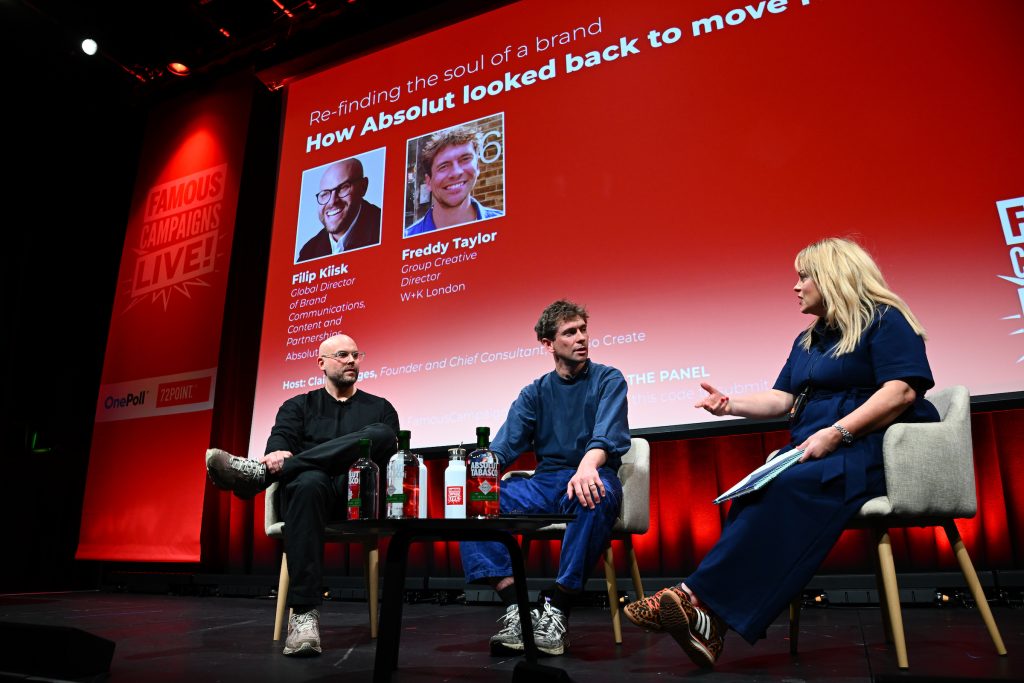
In an era where audiences will immediately ask ‘is this AI?’, showing your BTS workings – the craft, the process, the imperfections, the reality – has become part of the creative work itself. Proof of humanity is an asset (which seems like a strange sentence to write). In the Q&A we discussed how long this might be the case, and whether audiences will stop caring.
Challenge convention
The Monzo session with AJ Coyne and Will Lion from BBH was a masterclass in this. Banking is obviously heavily regulated and yet Monzo consistently produces work that feels unexpected for the category. The conversation unpicked how that works in practice: it’s not about being reckless, it’s about understanding exactly where the lines are, building genuine trust with your legal team, and then pushing right up to those lines with confidence.
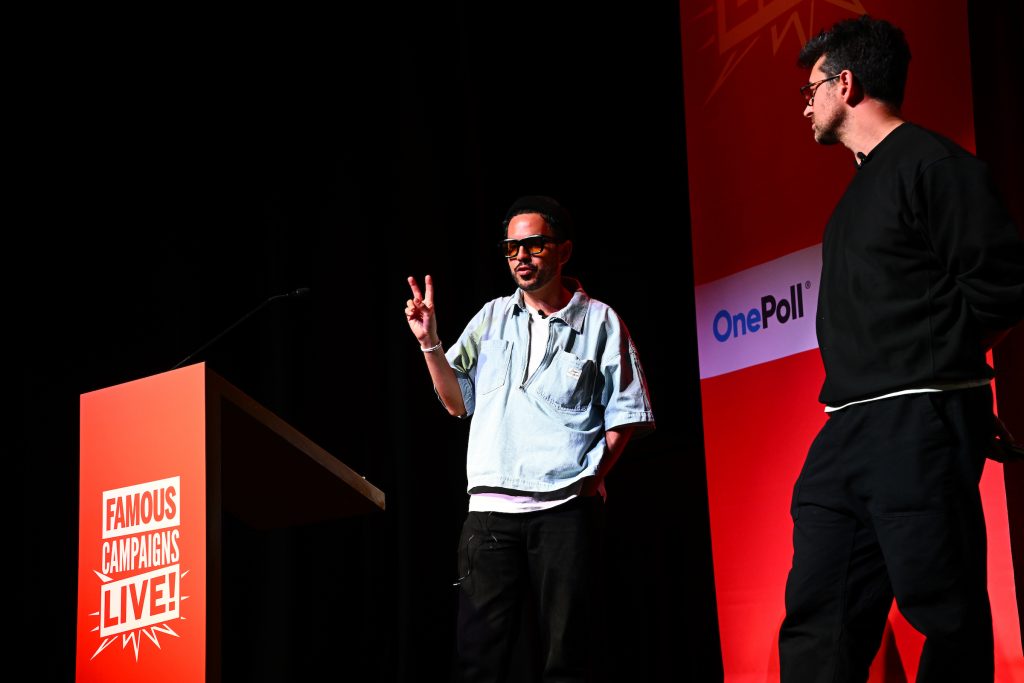
It was also an eye-opener in terms of what collaboration and ‘stakeholder management’ means in practice. AJ told us how just one draft entry in the ‘Monzo Book of Money’ got 400 comments over a weekend.
Standing for something means accepting friction
The Ordinary session with Yasmin O’Neal and Marco Del Valle from Uncommon was a reminder that a genuinely distinctive brand position can create genuine friction internally and externally. A brand that refuses to overclaim, refuses to use mystifying language and refuses to play the celebrity endorsement game is going to get pushback, particularly when it sits inside one of the world’s biggest beauty groups.
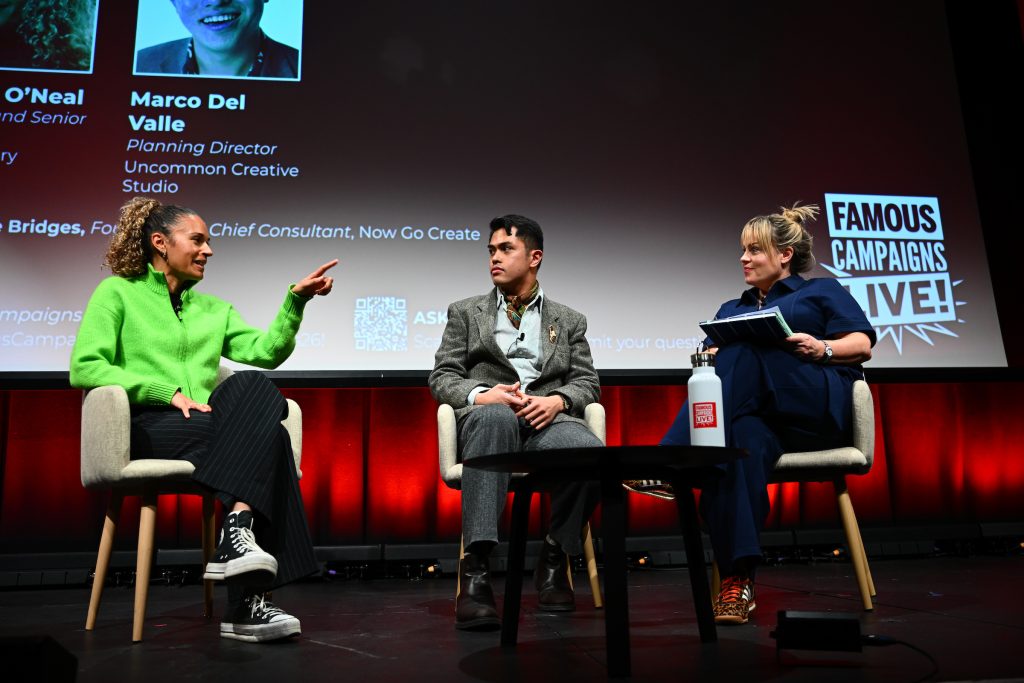
But the whole point is that the position only has value if you hold it. The second you flinch, you’re diluting your position. They shared this brilliant, poky, north star of a question: what are you willing to be cancelled for? Try starting your next brainstorm with that!
The client-agency relationship is everything (duh)
Across all four sessions, the thread I kept pulling on in the Q&As was the client-agency relationship. What did it take for this work to get made? The answer, consistently, was slowly, carefully, and on the back of real trust built over time. The space for the work to be made was possible because the teams had invested in each other in terms of time, feedback and radical honesty.
That doesn’t mean it’s frictionless. Several speakers talked about ‘healthy tensions’ with their agency or client counterparts as a feature of good work, not a problem to solve. The best relationships aren’t the ones where everyone agrees. They’re the ones where disagreement is allowed, encouraged and respected.
My takeaways
• Decide what you’re willing to be cancelled for then go all-in.
• Rehearse until the words disappear. The goal isn’t to remember what you’re going to say by line, it’s to be free enough to be in the room.
• Edit until it hurts. If you’re not sure whether something earns its place, it doesn’t. Cut it.
• Details are everything.
• Build in proof of humanity. As AI-generated content becomes the norm, showing how something was made – the process, the people, the decisions – is becoming a genuine differentiator.
• Know the rules, then bend or break them. The best disruptive work comes from a deep understanding of the category conventions you’re departing from.
• Invest in relationships before you need to test them. The trust that allows brave work to happen is built in small moments, not just the high-stakes ones.
• Be yourself on stage. The most compelling speaker aren’t necessarily the most polished, they are often the most real, weird, present and actively enjoying being there.
Claire Bridges is Founder of training consultancy Now Go Create. In a world where everyone has access to the same AI tools, original thinking is what makes campaigns stand out. Now Go Create helps PR, marketing, agency and in-house comms teams develop on-brief, scroll-stopping ideas, faster, through practical training built around your real-world challenges.
Led by Claire Bridges, former Creative Director with 30+ year’s experience get in touch: [email protected]